
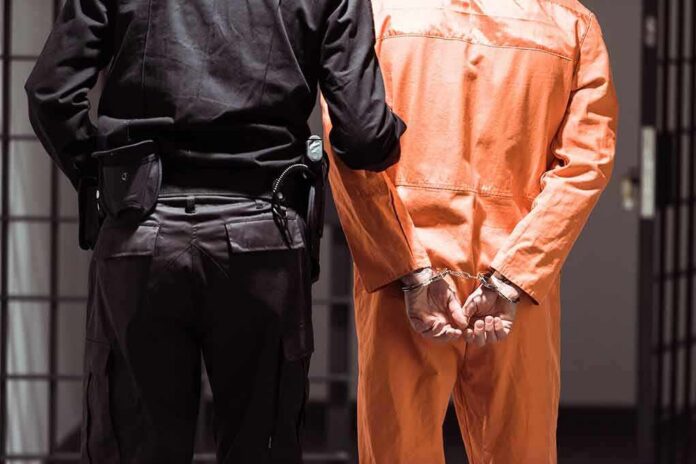
Colombia extradited alleged cocaine boss Geovany “Spider” Rojas to San Diego, where U.S. prosecutors now charge him with narco-terrorism alongside a sweeping cocaine conspiracy.
Story Highlights
- Colombia sent Rojas, known as “Spider,” to California to face U.S. charges.
- A federal superseding indictment adds a narco-terrorism count to cocaine charges.
- Prosecutors link Rojas to former FARC dissidents and multi-ton shipments.
- Case spotlights how extradition shapes U.S.-Colombia anti-drug policy.
Who Was Extradited and Why It Matters
Federal officials say Colombian national Geovany Andres Rojas, known as “Araña” or “Spider,” led an organization tied to cocaine trafficking. Colombia extradited him to the United States, and he arrived in San Diego to face charges in federal court. Prosecutors allege Rojas helped run a network that moved large amounts of cocaine toward the United States. The move marks a high-profile handover from Bogotá to Washington, reflecting closer security ties this year.
A federal grand jury added a narco-terrorism charge in a superseding indictment. That new count sits on top of a prior charge for international conspiracy to distribute cocaine. The U.S. Attorney’s Office said the case targets a suspected leader connected to former Revolutionary Armed Forces of Colombia dissidents. Prosecutors claim his network used violence and control of drug routes to push tons of cocaine into international streams bound for U.S. markets.
What Prosecutors Allege About the Network
Charging documents and official statements describe Rojas as a commander who worked with dissident factions that rejected or left the 2016 peace deal. Authorities say those ties let the group tax, protect, and move cocaine across Colombia’s southern corridors. The government alleges shipments crossed borders toward Ecuador and beyond, then moved north by sea and land smuggling chains. The indictment frames this as both criminal trafficking and support that benefited a violent group.
Officials say the case will run in the Southern District of California, a hub for cross-border drug cases. San Diego prosecutors often build cases with evidence from joint operations in South America. Extradition lets U.S. courts try overseas suspects when drugs are bound for the United States. Supporters argue it can break networks and drive cooperation. Critics in Colombia say it shifts power away from local courts and can blur political and criminal conduct.
How Extradition Fits a Bigger U.S.-Colombia Strategy
Colombia has used extradition for years under agreements with the United States. U.S. officials say it helps flip insiders, map finance trails, and reduce violence by removing bosses. Analysts also warn that extradition can weaken Colombia’s own justice tools and public trust if used too broadly. The Rojas transfer highlights this tradeoff. Washington gains a courtroom and leverage. Bogotá signals a hard line on dissident crime tied to cocaine.
The political backdrop also matters for U.S. readers. Communities here feel the harm of drug flows, fentanyl mixing, and cartel violence. Many doubt Washington’s will to stop it. This case will test whether a single high-level extradition can help reduce supply lines that raise street crime and overdose risk. A conviction would be a clear win for prosecutors. But lasting change will depend on follow-on arrests, financial seizures, and pressure on the cross-border routes that feed U.S. demand.
Sources:
nypost.com, justice.gov, nbcnews.com, fox5sandiego.com