
Colombia has cut diplomatic ties with Iran, citing national and hemispheric security threats and alleged links to terrorist and narco-terrorist groups.
Story Snapshot
- Bogotá says the break took effect Sept. 19 and keeps consular help in place.
- The government links Iran to terrorist and narco-terrorist groups but released no public evidence.
- Reports say Colombia also labeled Iran’s Islamic Revolutionary Guard Corps a terrorist group.
- Tehran rejects the claims as “baseless” and blames U.S. and Israeli influence.
What Colombia Decided and Why It Says It Acted
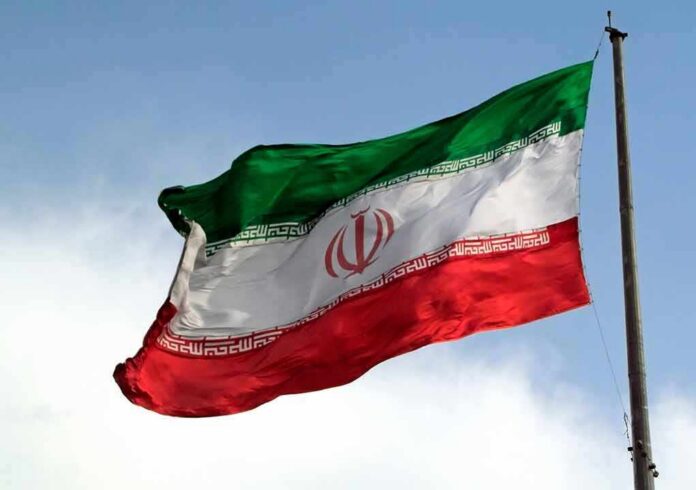
Colombia’s Foreign Ministry announced it has severed diplomatic relations with Iran. The ministry tied the move to “national and hemispheric security concerns” and alleged links between Tehran and international terrorist and narco-terrorist networks. The decision formally took effect on September 19, 2026, according to reports that quoted the statement. The ministry also cited Iran’s behavior beyond Colombia’s borders, including regional attacks and nuclear verification disputes, as part of the risk picture.
Several outlets reported that Colombia paired the rupture with a designation of Iran’s Islamic Revolutionary Guard Corps as a terrorist group. That step would harden sanctions and cooperation with allies on security cases that touch Colombian soil or citizens. Such a designation, if carried out in law, would signal a deeper policy shift that reaches beyond diplomacy and into policing and finance screens.
How Wide the Break Is — And What Stays Open
Reports say Colombia’s step is a formal diplomatic break but not a total freeze. Consular services remain in place under standard treaty rules so citizens can still get help with visas, travel problems, or emergencies. That choice shows the government aimed to send a sharp signal without abandoning basic citizen support. It also lets both sides manage day-to-day issues while larger security questions are disputed.
The ministry’s statement leaned on security language but did not release underlying case files, court records, or other public evidence that names the alleged groups or shows direct links. The wording used terms like “presumed ties,” which show concern but fall short of proof in the public record. That gap is common in national security actions, yet it invites pushback and doubt from those who want documents they can test.
Iran’s Response and the Competing Storylines
Iran’s Foreign Ministry rejected Colombia’s claims as baseless and condemned the break. Tehran argued the move violated mutual respect and hurt both nations’ interests. Iranian statements said Colombia was in no position to lecture on terrorism or drugs and framed Bogotá’s action as driven by the United States and Israel. Iranian and regional media echoed that political angle and said Colombia offered no proof to back its charges.
These dueling narratives fit a pattern that often appears when countries break with Iran. Governments cite security threats tied to terrorism and trafficking. Critics see alliance politics unless the state releases evidence. In this case, the timing, the strong language, and the reported terrorist designation of the Revolutionary Guard suggest a broader policy turn by Colombia that lines up with United States partners, even as the public case relies on undisclosed intelligence.
Why This Matters for Americans Worried About Security and Power
Americans on the right worry about terrorism, drugs, and border crime. Americans on the left worry about shadow wars, elite deals, and the risk of blowback. This story touches both fears. If Iran or its agents are reaching into the Americas, that is a real threat. If leaders are making big moves without showing the record, people will see it as politics first, public safety second. Trust suffers when facts stay locked away.
🇨🇴🇮🇷 COLOMBIA BREAKS DIPLOMATIC TIES WITH IRAN
President Abelardo de la Espriella’s government has formally severed diplomatic relations with the Islamic Republic of Iran.
Colombia cited alleged Iranian links to terrorist groups, human-rights violations, the blockade of the… pic.twitter.com/Ge0q10Xig3
— Mossad Commentary (@MOSSADil) September 24, 2026
Transparency is the pressure point. Colombia says it acted on security grounds. Iran says it is a smear. The fastest way to sort claims from spin is sunlight. Releasing a redacted decision memo, named group links, and any court-ready seizure data would help citizens judge the risk and the response. Until then, expect each side to rally its base, and for many in the middle to see another example of power moving without clear proof.
What to Watch Next
Watch for follow-through in Colombian law on the Revolutionary Guard designation, and for any joint steps with the United States on sanctions, policing, or port checks. Track whether Bogotá shares more detail with Congress or the courts. Look for any change in trade, travel, or remittances that hits families. Finally, watch how Tehran responds on visas, flights, or consular limits. Each concrete step will show whether this is a brief chill or a long freeze.
Sources:
insiderpaper.com, aa.com.tr, iranintl.com, i24news.tv, colombiaone.com, presstv.co.uk, chinadaily.com.cn