
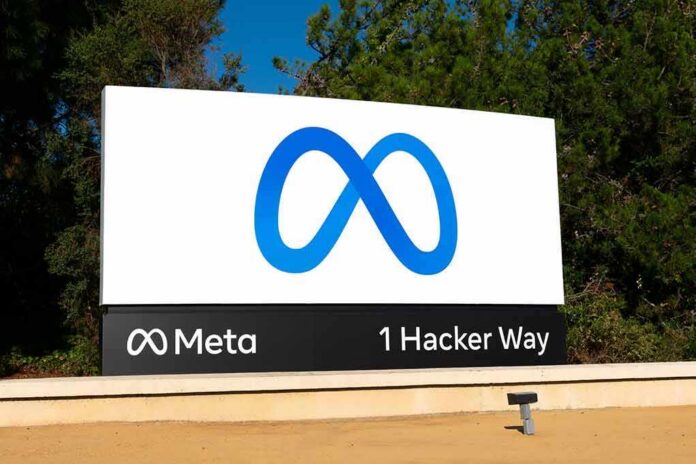
Meta agreed to pay up to about $17 billion and change Facebook and Instagram after states said its designs harmed kids and misled families.
Story Highlights
- Meta will pay as much as $16.68–$18 billion and add new child safety rules.
- The deal ends a landmark trial over claims of addictive design and data misuse.
- States pushed for limits on teen use and stronger privacy controls.
- The case follows verdicts and rulings that increased pressure on Meta.
What the Settlement Does and Why It Matters
Attorneys general across the country said Meta designed features that keep teens online and misled families about safety. On August 26, 2026, Meta agreed to pay a maximum of $16.68 billion to settle those claims, with some reports putting the total near $18 billion over time. The company also agreed to change Facebook and Instagram. States said these changes will set limits on how teens use the apps and will add new privacy and safety protections.
State officials framed the deal as a message to the tech industry. They argued platform design choices—like endless scroll, aggressive alerts, and targeted recommendations—can hook young users and raise mental health risks. The settlement aims to curb those effects by setting guardrails and by funding compliance over several years. Meta did not admit liability in reporting about the agreement, but it accepted new rules for teen accounts and data handling as part of the resolution.
The Legal Pressure That Led to the Deal
Courts and juries added leverage before the settlement. A Los Angeles jury found Meta and Google negligent in a bellwether case, awarding $6 million and spotlighting design harms to young users. A New Mexico court also ordered Meta to pay $567 million into a teen mental health fund and to change its platforms for youth in that state. In June, a federal judge rejected Meta’s effort to toss the multistate claims, keeping the case on track for trial.
School districts and families also filed related suits nationwide. Meta settled the first school district case that sought to recover costs tied to student mental health services. One Kentucky district secured about $27 million from several firms, with Meta paying a portion, showing how local systems are seeking relief for campus impacts. These outcomes built a broader litigation front, where plaintiffs cast engagement tactics as a product defect and states use consumer laws to demand changes.
What Changes for Families, Teens, and Parents
The agreement signals stricter limits on teen features and data collection on Facebook and Instagram. States highlighted tighter controls on time spent, stronger privacy defaults, and guardrails on recommendations for minors. The goal is to reduce unhealthy engagement loops and cut exposure to risky content. Families may see clearer safety settings, fewer push alerts aimed at teens, and more transparency about how content reaches young users.
‘Justice Is Possible’: Mother of Teen Who Died by Suicide Reacts to Meta’s $18 Bn Settlement#Meta #Facebook #Instagram #TeenSafety #ChildSafety #MentalHealth #SocialMedia #MetaSettlement #MarkZuckerberg #AdamMosseri #OnlineSafety #YouthMentalHealth #TechNews #Reuters pic.twitter.com/KnXAzmqEjg
— khabar Samachar (@khabar_samachar) August 27, 2026
The broader fight is not over. Other platforms still face trials, and private suits against Meta continue in federal multidistrict litigation. But the size of this deal and the required changes mark a turning point. For many Americans on the left and right, it shows how large companies can shape daily life without enough oversight. This action suggests government can still set terms when public health and child safety are at stake, even as trust in institutions remains low.
Sources:
reuters.com, pbs.org, cnbc.com, npr.org, aljazeera.com, kron4.com, bbc.com