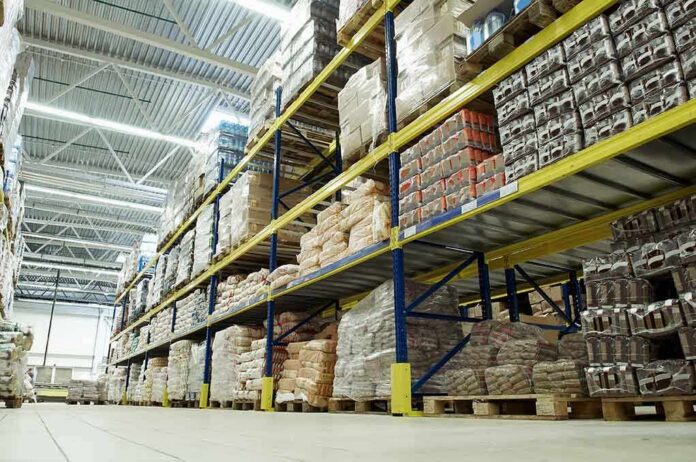
Nightly Ukrainian drone strikes set multiple Wildberries warehouses ablaze, forcing Russia’s biggest online retailer to throttle deliveries while civilians and small sellers count the losses.
Story Snapshot
- Ukraine hit at least 20 Wildberries facilities over three weeks, citing dual-use military supplies.
- Satellite images show more than a million square meters of warehouse space damaged or destroyed.
- Russian officials reported at least eight deaths in one wave, fueling claims the targets were civilian.
- Disrupted logistics affected tens of thousands of sellers and buyers across Russia.
What Ukraine Targeted and Why It Matters
Ukrainian forces struck Wildberries logistics hubs across Russia from mid-July through early August 2026. Officials in Kyiv said the sites held dual-use goods, including drone and navigation components, and framed the campaign as a way to raise the cost of war for Russia. Reporters described Wildberries as Russia’s largest online retailer with a vast delivery network. Hitting these facilities created fires, delays, and stock loss across many regions, which Ukraine said would strain Russian logistics and war planning.
Reuters reported near-nightly strikes for about three weeks and said more than 20 Wildberries warehouses were hit by August 7. The pattern showed intent to degrade a class of targets, not only a one-off site. Local officials and the company confirmed fires and damage at several hubs, including Samara and Yekaterinburg, with some blazes later contained. These acknowledgments, plus footage of burning depots, established that the physical toll was large and spread across the retailer’s network.
Damage You Can See: Satellite Images and Economic Ripples
Satellite imagery reviewed by reporters indicated at least 1.18 million square meters of Wildberries warehouse space damaged or destroyed. That figure amounted to more than one-fifth of the company’s reported capacity, suggesting major stress on deliveries and storage. Business press coverage echoed the geospatial findings and highlighted long burn scars and roof collapses. The damage flowed down the chain, as tens of thousands of small businesses on the platform faced delays, lost inventory, and fewer sales, hitting household incomes and local shops.
Disrupted flows mattered beyond any one city. Wildberries hubs link suppliers and buyers across Russia’s regions. When a large node goes offline, trucks reroute, costs rise, and delivery times stretch. Some sellers can switch to other depots, but many cannot absorb sudden losses or carry extra shipping costs. The result is a rolling squeeze that lands on small firms first. In past wars, strikes on energy often stole headlines; here, commerce and warehousing became the pressure point.
Dueling Claims: Military Utility Versus Civilian Harm
Ukraine said the facilities supported Russia’s military effort through dual-use goods and that the attacks were part of a broader plan to raise the war’s price for Moscow. That claim fits a wider pattern of strikes on refineries and logistics links. However, the public record offered in reporting did not include released shipping manifests or other documents tying specific hubs to military cargo at the moment of each strike. The legal case therefore rests, in public view, on asserted intelligence rather than detailed, site-by-site proof.
Russian officials and Wildberries leaders called the strikes attacks on civilians. Founder Tatyana Kim labeled them “acts of terrorism” and said the purpose was to cause panic among ordinary people. Officials reported at least eight deaths and dozens of injuries after drones hit two warehouses in one wave, underscoring the human cost at largely civilian workplaces. This casualty record sharpens questions about proportionality and distinction, key tests under the laws of war when dual-use sites are involved.
Why This Fight Over Warehouses Signals a Larger Shift
This campaign shows how modern wars turn supply chains into targets. Who controls storage, sorting, and last-mile routes can tilt the field. Ukraine is trying to slow Russia’s war machine by hitting economic and logistics nodes. Russia portrays the moves as strikes on civilians to rally outrage and paint Kyiv as lawless. Both narratives tap public fear and anger, because destroyed jobs and burned stock are easy to see while classified targeting intelligence is not.
For Americans frustrated with rising costs, elite impunity, and a government that seems distant, the story also lands close to home. When war reaches warehouses and delivery vans, regular people feel it first. The lesson is old but urgent: when leaders fail to keep conflicts contained and transparent, the burden shifts onto workers, small sellers, and families. Clear evidence, honest legal reviews, and narrow targeting are not academic ideals; they are guardrails that protect the public in an age of drones and global supply chains.
Sources:
reuters.com, businessinsider.com, newsukraine.rbc.ua