
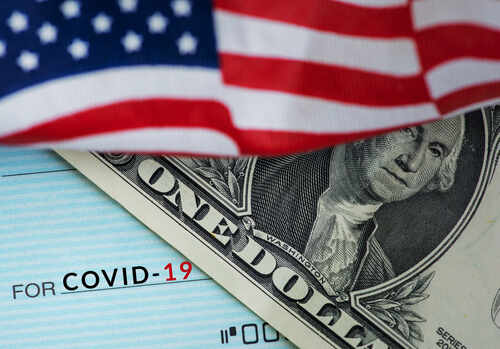
A little-known court ruling could let millions claw back IRS penalties and interest—but only if they beat a hard July 10, 2026 deadline.
Quick Take
- The National Taxpayer Advocate says tens of millions may be eligible for refunds or abatements tied to COVID-era IRS penalties and interest.
- The window hinges on the Kwong decision interpreting how disaster-deadline postponements applied from Jan. 20, 2020 through July 10, 2023.
- Refunds are not automatic; most taxpayers must file a claim (typically Form 843) and, for now, paper filing is required.
- The Justice Department has not announced whether it will appeal, so the Advocate urges “protective” claims to preserve rights.
A court-driven refund opportunity collides with a familiar IRS paperwork wall
The National Taxpayer Advocate is warning that taxpayers who paid IRS penalties and interest during the COVID-19 federal disaster period may be entitled to refunds or abatements, but the clock is ticking. The key date is July 10, 2026, when many claims hit a statute-of-limitations wall. The unusually broad relief stems from a court interpretation rather than a new IRS program, which is why waiting for an automatic check could be a costly mistake.
The dispute traces back to how tax deadlines were handled during the COVID disaster declaration. Under Internal Revenue Code Section 7508A(d), the government can suspend tax deadlines in a federally declared disaster. The Kwong decision concluded that filing and payment deadlines were postponed through the disaster period—running from January 20, 2020 to May 11, 2023, plus a 60-day extension that effectively carried key deadlines to July 10, 2023. That matters because “late” penalties and interest depend on what counts as late.
What the Advocate is actually saying—and why it’s a warning about unequal outcomes
The Advocate’s message is blunt: unless the IRS or Congress creates a mechanism to ensure affected taxpayers receive refunds if the ruling stands, many people will have to file claims themselves by July 10, 2026. The Advocate also flagged an equity problem—well-advised taxpayers with CPAs will file in time, while ordinary filers who never heard about Kwong could lose out. That’s a familiar theme in Washington: complicated rules that reward insiders and punish everyone else.
So far, the IRS has not set up an automatic process, and reporting indicates Form 843 is the main vehicle for these refund and abatement requests, with paper filing still required. That design choice can slow taxpayers down and creates predictable bottlenecks at an agency already known for backlogs. The IRS also has not provided clear public guidance on processing timelines for these claims, leaving families and small businesses unable to plan around when money might arrive.
Who might qualify, what’s at stake, and what remains uncertain
The research does not quantify exactly how many people qualify, but multiple reports describe “tens of millions” of potentially eligible taxpayers across income levels. The groups most likely to care are small business owners, self-employed filers, and anyone who fell behind during 2020–2023 disruptions and later paid penalties or interest. Individual refunds could range from hundreds to thousands of dollars, but precise averages and total federal exposure are not publicly pinned down in the cited reporting.
Why this story resonates beyond taxes: trust, transparency, and government competence
Politically, this episode lands in the same place many Americans—right and left—have been landing for years: a sense that the system works best for people who can afford expert help and worst for those trying to navigate bureaucracy alone. Conservatives see another example of government extracting money first and forcing citizens to fight to get it back. Liberals often see the same administrative complexity harming lower-information taxpayers. Either way, it’s hard to call the process user-friendly.
The Justice Department has not publicly committed to an appeal strategy, and the Advocate has urged taxpayers to file protective claims to preserve their rights regardless of litigation outcomes. Congress could also step in with clarifying legislation or direct the IRS toward a more automatic approach, but no such action is identified in the research as of May 2026. For taxpayers, the practical takeaway is simple: if you think you paid COVID-era penalties or interest, the safest move is to document it and act before July 10.
Sources:
Tens of Millions of Taxpayers May Be Eligible for Significant Tax Refunds – Act by July 10
The IRS May Owe You: Recover Pandemic-Era Penalties Before the July 10 Deadline
Tens of millions of taxpayers may be owed IRS refunds from COVID era
Tens of Millions of Taxpayers May Be Eligible for Significant Tax Refunds