
President Trump just ordered a full naval blockade of the world’s most critical oil chokepoint after marathon peace talks with Iran collapsed in a spectacular failure.
Story Snapshot
- Trump declares immediate U.S. Navy blockade of Strait of Hormuz on April 12, 2026, after 21-hour peace talks in Pakistan end without agreement
- U.S. threatens to interdict any vessel that paid Iranian tolls and destroy remaining mines in the waterway that handles 20% of global oil supplies
- First high-level U.S.-Iran negotiations since 1979 Revolution collapse amid disputes over nuclear rights and strait control
- Ceasefire set to expire April 22 with no extension plan as Trump vows to “finish little that is left of Iran”
When Diplomacy Dies at Dawn
Vice President JD Vance emerged from talks in Islamabad after 21 hours of negotiation with nothing to show for it. Iran rejected every American term. The Trump administration demanded unfettered access to the Strait of Hormuz and restrictions on Tehran’s nuclear ambitions. Iran countered with sovereignty claims over the waterway and insisted on recognition of its nuclear rights. Pakistan, hosting the first substantive U.S.-Iran dialogue in 47 years, watched helplessly as both sides blamed each other for the failure. Within hours, Trump took to Truth Social with an announcement that sent shockwaves through global energy markets.
The Oil Stranglehold Nobody Can Ignore
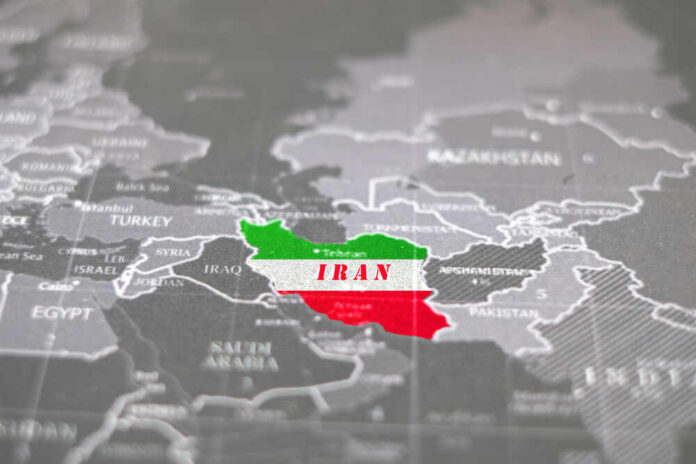
The Strait of Hormuz represents more than a geographic bottleneck. This 21-mile-wide passage between Iran and Oman serves as the jugular vein of global energy markets, channeling roughly one-fifth of the world’s oil through its contested waters. Iran recognized this leverage and exploited it ruthlessly, mining the strait and imposing tolls on vessels attempting passage. Trump’s response escalated from March 21 threats to obliterate Iranian power plants within 48 hours to the current full blockade. The president claims U.S. forces sunk all 28 Iranian mine-laying boats, though Tehran denies American destroyers ever transited the waterway for clearing operations.
A Timeline of Escalating Ultimatums
The path to blockade followed a relentless pattern of deadlines and threats. Trump’s initial March 21 ultimatum gave Iran 48 hours to fully reopen the strait or face destruction of its energy infrastructure. Five days later, he extended the deadline to April 6 after Iran requested a pause on strikes, but demanded the waterway be “open, free and clear” before any ceasefire. His warning to blast Iran “back to the Stone Ages” wasn’t mere rhetoric. By April 11, Ceasefire Day 4, Trump announced mine-clearing operations had begun and declared the U.S. would never permit Iranian tolls on international waters.
The Strategic Calculation Behind the Blockade
Trump’s blockade order targets a specific vulnerability in Iran’s strategy. By preventing any vessel from entering or leaving the strait, the administration aims to eliminate Tehran’s financial leverage from toll collection while asserting American control over the waterway. The president’s Truth Social declaration left no ambiguity: “BLOCKADING any and all ships… No one who pays an illegal toll will have safe passage… Any Iranian who fires at us will be BLOWN TO HELL!” This represents a dramatic reversal where Iran, which initiated the closure, now faces complete exclusion from waters it considers sovereign territory. The U.S. Navy positioned USS Frank E. Peterson and USS Michael Murphy for mine-clearing operations despite Iranian denials of any American naval presence.
When the Ceasefire Clock Runs Out
The 14-day ceasefire that enabled the Pakistan talks expires April 22, leaving a dangerous vacuum. Neither side has articulated plans beyond that date, and Trump’s blockade effectively preempts any pretense of diplomatic resolution. Economic experts warn the move will further destabilize global energy markets already reeling from war-related disruptions. Asian and European oil importers face immediate supply anxieties. Maritime insurance rates for Gulf shipping will spike. The Iranian economy, already devastated by conflict, loses both toll revenue and access to its primary export route. Trump’s willingness to “finish little that is left of Iran” suggests regime change remains an unstated objective.
The contradictions between American and Iranian accounts reveal how far apart the parties remain. U.S. Central Command confirms destroyer operations in the strait. Iran’s Joint Military Command flatly denies any American vessels transited the waterway. Iranian state media blames excessive U.S. demands for the diplomatic collapse. American outlets portray Iranian intransigence as the fatal obstacle. This information warfare parallels the military standoff, with truth becoming the first casualty. The blockade transforms a regional conflict into a global economic crisis, forcing nations dependent on Persian Gulf oil to choose sides or scramble for alternative supplies. Trump’s strategy reflects a calculated bet that American military dominance can break Iranian resistance where diplomacy failed, but the risks of miscalculation grow with each passing hour the ceasefire ticks toward expiration.
Sources:
Trump threatens Strait of Hormuz blockade after US-Iran ceasefire talks end without agreement – WBUR
Timeline: Trump’s escalating threats on Iran, Strait of Hormuz – Fox News
Iran update today: Latest April 12, 2026 – Post-Gazette