
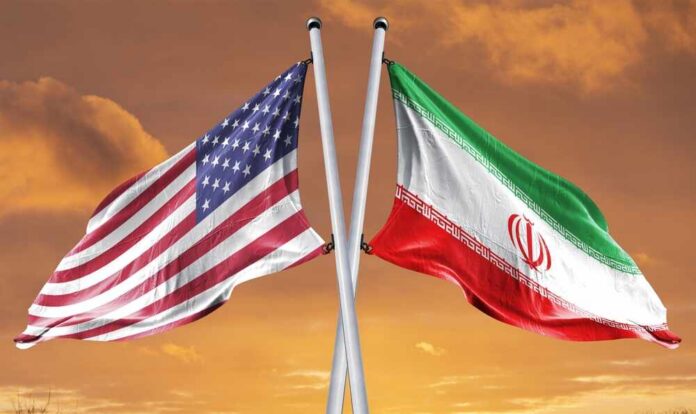
The Trump administration is pushing a one-page deal that would force Iran to freeze its nuclear program for years—or risk a rapid return to strikes and sanctions.
Quick Take
- U.S. and Iranian officials are reportedly nearing a short “memorandum of understanding” to stop the 2026 Iran war and open a 30-day window for a broader agreement.
- The proposal’s core trade: Iran pauses uranium enrichment, ships out enriched stockpiles, and accepts tougher inspections in exchange for sanctions relief and access to frozen funds.
- Reopening the Strait of Hormuz is central, with global energy markets and U.S. inflation pressures tied to whether shipping resumes.
- Pakistan is serving as the main go-between as Tehran reviews terms and Washington awaits an answer following the fragile April ceasefire.
A one-page framework tests whether Tehran will trade leverage for relief
U.S. officials told Axios that Washington and Tehran are closing in on a streamlined, one-page memorandum aimed at halting hostilities and triggering 30 days of negotiations for a fuller settlement. The reported terms are blunt by design: Iran would halt uranium enrichment for a long period still under debate, move enriched uranium stockpiles out of the country, accept stringent international inspections, and help restore access through the Strait of Hormuz. In return, the U.S. would lift key sanctions and release frozen Iranian assets.
The timeline behind this moment matters. The war began with U.S.-Israeli strikes on Feb. 28, followed by a sequence of proposals delivered through Pakistan—first a longer U.S. plan, then an Iranian counter, and eventually a fragile ceasefire reached on April 8. Early May talks in Pakistan failed to produce a wider deal, which helps explain why negotiators pivoted to a shorter document meant to lock in immediate commitments before tackling harder questions. For voters tired of endless foreign entanglements, a short, verifiable framework can be easier to enforce than sprawling promises.
Nuclear demands are stricter than earlier drafts, but verification is the hinge
The reported “tough new conditions” center on nuclear constraints that go beyond vague pauses. Axios described proposals that include a long enrichment moratorium, removal of enriched uranium, and robust inspections—measures designed to shrink Iran’s breakout potential rather than merely delay it. One unresolved issue is how long the moratorium would last, with competing figures discussed in reporting. That uncertainty is not trivial: the longer the pause, the more meaningful the nonproliferation win, but the harder it is for Iranian leaders to sell at home.
Verification is where conservative skepticism tends to be justified by history. Enforcement mechanisms only work if inspections are real, access is timely, and consequences are automatic when violations occur. Reporting also indicates U.S. officials are focused on enforceability, including penalties that would stiffen if Iran breaches terms. Still, the public reporting does not yet provide a final inspection protocol, a list of sites, or a clear sequence of sanctions relief steps. Until those details are public, Americans should treat “close to a deal” as a diplomatic waypoint, not a guaranteed off-ramp.
The Strait of Hormuz is the economic pressure point Americans feel at home
The Strait of Hormuz remains the practical choke point because it carries a major share of global seaborne oil trade, and disruptions hit fuel prices quickly. U.S. officials have tied any settlement to reopening the strait, while shipping and industry observers have warned that Iran’s formalization of closure mechanisms risks longer disruption. For households already sensitive to inflation, a durable reopening could ease energy-driven price pressure, while a breakdown could keep markets jittery and reinforce the sense that distant conflicts are punishing ordinary Americans more than political elites.
Pakistan’s mediation underscores the limits of diplomacy without direct ties
Pakistan’s role as intermediary reflects the reality that Washington and Tehran still lack normal diplomatic relations, forcing indirect bargaining even in high-stakes moments. Recent reporting described Pakistan’s expectation of a deal “sooner rather than later,” while Iran publicly signaled it was reviewing the proposal and lawmakers described the U.S. terms as a “wish list.” President Trump, meanwhile, expressed confidence the war is going well and warned of tougher strikes if Iran refuses. Those statements show the dual-track approach: negotiations backed by coercive leverage.
What to watch next: response timing, sequencing, and Congress’s reaction
Axios reported an answer could come quickly, but as of the latest updates there was no signed agreement and the April ceasefire remained fragile. The next decisive indicators are procedural: whether Tehran accepts the enrichment pause and uranium removal in writing, whether an inspection regime is announced with credible oversight, and whether reopening the strait is immediate or phased. On the U.S. side, lawmakers will scrutinize sanctions relief and any release of Iranian assets. After years of public distrust in institutions, transparency and enforceable sequencing will determine whether Americans view this as peace through strength—or another paper promise.
🇺🇸-NEW: The U.S. is reportedly laying out tough new conditions in a proposal to end the war with Iran — including a 20-year ban on uranium enrichment, a ban on underground nuclear activity, and dismantling key nuclear facilities.
As negotiations continue behind the scenes,… pic.twitter.com/bOz6QLUThU
— 🌍 Breaking News of the Day (@BNOfTheDay) May 7, 2026
For a country exhausted by war, debt, and rising costs, the most important takeaway is that the administration is trying to convert military advantage into measurable concessions, not just headlines. At the same time, the reporting leaves key blanks: the final moratorium length, the inspection details, and the exact conditions for sanctions relief. If those remain ambiguous, skepticism from both the right and the left will harden—especially among voters who already suspect government decisions are shaped more by permanent bureaucracies and political survival than by accountable results for the American people.
Sources:
Exclusive: U.S. and Iran closing in on one-page memo to end war, officials say
Trump-iran-war-peace-deal-strait-of-hormuz live updates