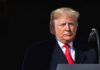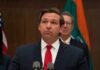


Backed by President Trump and Florida’s party base, Rep. Byron Donalds won the Republican nomination for governor, setting up a high-stakes November fight over who will run the nation’s third-largest state.
Story Snapshot
- Byron Donalds won Florida’s Republican primary for governor, defeating multiple GOP rivals.
- The Associated Press called the race on election night as returns showed a clear lead.
- Donalds will face Democrat David Jolly in November’s general election.
- Trump’s endorsement helped shape the race and signals the party’s direction in Florida.
Donalds Secures GOP Nomination With Election-Night Call
Election-night tallies showed U.S. Representative Byron Donalds leading a crowded Republican field for Florida governor. The Associated Press called the race shortly after polls closed, marking Donalds as the party’s nominee and the favorite of the state’s Republican voters. Live result dashboards displayed Donalds with a strong vote share as counties reported, reinforcing the call. The win followed a heated, high-profile contest watched across the country as a test of Florida’s post-DeSantis direction.
News reports cited Donalds’ advantage as the vote came in across urban and rural counties. Coverage described him defeating Lieutenant Governor Jay Collins, James Fishback, and other Republicans, underscoring both name recognition and coalition strength inside the party. Local outlets and national wires framed the outcome as decisive. While final certification comes later, the margin prompted quick projections that solidified the narrative heading into the general election.
General Election Matchup: Donalds vs. Jolly
Donalds will face former Representative David Jolly, who won the Democratic nomination, in November. Outlets covering both primaries said the matchup was set after each party’s voters weighed in on August 18. The pairing offers a clear choice on taxes, schools, public safety, and immigration, with both candidates expected to court independents and moderate partisans in a state known for close statewide races. The fall campaign will test turnout operations and message discipline on both sides.
The stakes are large because Florida’s governor wields big influence over energy policy, insurance regulation, education standards, and hurricane readiness. Voters frustrated by high costs, fragile housing markets, and uneven growth will look for plans that feel practical and local. Both liberals and conservatives say elites in government talk past them. This race will pressure each nominee to offer clear steps that can actually pass in Tallahassee and work in real life.
How Trump’s Backing Shaped the Primary
President Trump endorsed Donalds in 2025, giving the congressman an early edge in fundraising, media attention, and grassroots energy. Pre-primary reporting described Donalds as the frontrunner, in large part because of that support and the signal it sent to core Republican voters. Florida primaries are closed, so the voting bloc was party loyalists, not the full electorate. That dynamic often amplifies the effect of high-profile endorsements during low-turnout contests.
As disgusted as I am that Byron Donalds won the nomination, I’ll still vote for him in the primary. Not because I like him or trust him, (I certainly do not) but because I refuse to let Florida flip to blue without a fight. Donalds is like getting liberal lite!!! 🤮 pic.twitter.com/DLzzPhnBSZ
— Cindee Cane (@cindee941) August 19, 2026
Election analysts have long noted that Florida’s gubernatorial primaries serve as signals of party direction, not just vote counts. The winner often sets the policy lane for the fall and shapes donor and activist behavior statewide. In this case, Donalds’ win suggests a continued “law-and-order” and “parents’ rights” focus on the right, while Democrats will likely stress cost of living, health care, and checks on one-party rule. Voters will judge which plan addresses their daily burdens fastest.
Why This Matters Beyond Florida
Florida’s size gives its governor national attention. Companies weigh state policy when deciding where to expand. Families feel insurance rates, utility bills, and school choices month by month. Many across the spectrum believe the federal government is not solving these problems. That pushes more pressure onto governors to deliver. This fall, Floridians will choose who they trust to cut red tape, rein in costs, keep communities safe, and protect freedoms without favoring the well-connected.
Sources:
theguardian.com, floridapolitics.com, nytimes.com, pbs.org, 270towin.com