

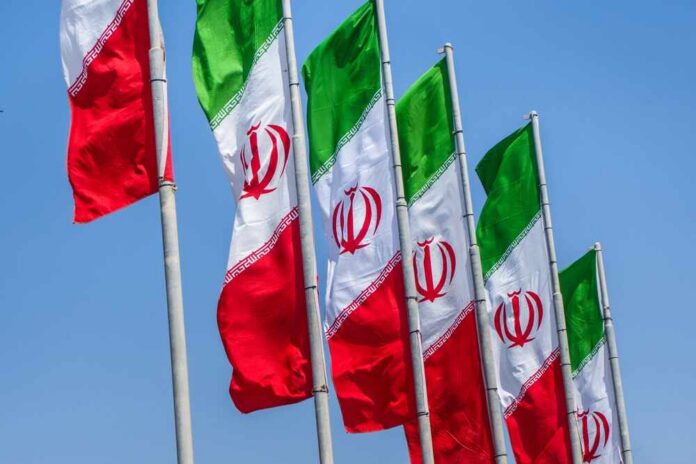
As Washington celebrates a new peace deal with Iran, many in Israel warn it hands a dangerous lifeline to a hostile regime while sidelining America’s closest ally in the region.
Story Snapshot
- The United States–Iran memorandum of understanding sets a 60-day ceasefire and opens the Strait of Hormuz, but leaves core nuclear and missile issues for later talks.[2][5]
- Israeli officials from across the spectrum call it a “bad agreement for Israel,” saying their voice “is not being heard” in Washington.[1][2]
- The framework does not clearly dismantle Iran’s proxy network or missile program, raising fears Tehran will emerge a stronger “threshold” nuclear power.[1][2][5]
- Critics on both the right and left see the deal as another example of unelected elites trading real security for short-term “stability.”[1][4][6]
What the New U.S.–Iran Deal Actually Does
The new understanding between the United States and Iran is built around a short, 60-day ceasefire, not a full peace treaty.[2][5][6] Negotiators agreed to stop fighting on “all fronts,” including Lebanon, and to reopen the Strait of Hormuz to commercial shipping once the deal is signed.[2][5][6] The United States is expected to lift its naval blockade of Iranian ports, while Iran removes mines and allows ships safe passage.[5][6] Supporters say this step is needed to calm oil markets and avoid a wider regional war.[2][5]
The memorandum of understanding also creates a 60-day window for deeper talks on Iran’s nuclear program.[2][5][6] Reports say future negotiations are supposed to tackle disposal of highly enriched uranium and limits on uranium enrichment, but the current text does not spell out firm caps or timelines.[2][5][6] There are no concrete provisions on Iran’s ballistic missiles, armed drones, or support for proxy militias such as the group operating from Lebanon.[4][5] Analysts describe it as a “deal to make a deal,” heavy on process but light on binding security rules.[4][6]
Why Israeli Leaders Call It a ‘Bad Agreement’
Across Israel’s political map, reaction has been unusually united: the deal is widely described as a “failure” that undercuts key war aims.[1][2][7] When fighting with Iran and its proxies escalated earlier this year, Israel’s leadership talked about forcing regime change in Tehran and dismantling Iran’s nuclear and missile programs.[1] Israeli analysts now argue the framework falls far short of those goals and may leave Iran as a “nuclear threshold state,” able to move toward a bomb quickly if it chooses.[1][2] Army officials quoted in Israeli media say they are “deeply disappointed” and had prepared plans to keep striking Iran.[1][2]
A senior Israeli official warned that “no one is happy with this” deal and that it “harms Israeli interests.”[2] The same official said what troubles Jerusalem most is that “Israel cannot influence it. Its voice is not being heard.”[2] Reports say Israel was not a direct party to the talks, even though the outcome could limit its military freedom in Lebanon and beyond.[3][5] Many in Israel fear Washington and Tehran are making decisions over their heads, locking in rules that tie Israel’s hands while Iran’s network of proxies remains largely intact.[2][3][5]
Deeper Fears: Nuclear Ambiguity and Empowered Elites
Israeli and Western analysts worry that vague nuclear language could let Iran pocket economic relief without giving up much in return.[1][2][4][6] Some United States officials claim there are understandings about removing enriched uranium from Iran, with America taking part of the stockpile.[2][6] Iranian officials, however, still talk about “diluting” uranium rather than sending it out of the country, which would leave key material inside Iran’s borders.[2] Experts note that the memorandum itself contains “no concessions” on the nuclear program, only a promise of future talks, and no limits on missiles, drones, or proxy groups.[4][5]
For many Americans, both conservative and liberal, this story hits a familiar nerve: deals made in closed rooms by global elites, sold as “peace,” while the hardest problems are kicked down the road.[1][3][4] Critics compare the pattern to the 2015 nuclear agreement, where sanctions relief and trade flowed but missiles, proxy wars, and sunset clauses left deep doubts.[3][5] Today, again, leaders in Washington and Tehran have strong reasons to claim a win.[4][6] That political incentive can crowd out Israeli security worries and the concerns of ordinary citizens who fear that short-term calm is being traded for a more dangerous future.[1][4][6][7]
Sources:
[1] Web – US-Iran deal a ‘catastrophe’ for Israel, analysts say
[3] Web – U.S. and Iran reach deal but need Trump’s final approval, officials …
[4] Web – What Is the Iran Nuclear Deal? | Council on Foreign Relations
[5] YouTube – US-Iran peace deal ends hostilities, but questions over peace remain
[6] YouTube – U.S., Iran reach new peace deal
[7] Web – What to know about a possible U.S.-Iran deal to end the war – PBS