
Fourteen newborns died when a nursery at Pakistan’s top public hospital in Islamabad caught fire before sunrise, exposing life-or-death gaps in hospital safety that experts have warned about for years.
Story Highlights
- Officials say 14 infants died after a nursery fire at a major Islamabad hospital.
- At least one baby was rescued as firefighters and staff battled smoke and flames.
- Leaders ordered an urgent inquiry while early reports pointed to equipment failure.
- Neonatal units face special fire risks from oxygen, wiring loads, and hard-to-evacuate patients.
What Officials Confirmed About the Islamabad Hospital Fire
Pakistan’s health authorities reported that a fire broke out early Wednesday in the nursery of the Pakistan Institute of Medical Sciences in Islamabad. Officials said the blaze killed 14 newborns, and leaders ordered an immediate investigation to determine the cause and assess safety lapses. Hospital officials said the nursery held at least 15 infants when flames and heavy smoke spread through the unit, and at least one baby was rescued during the response. Local coverage described a rapid, chaotic scene as alarms sounded.
Emergency crews reached the hospital quickly and worked with staff to control the fire and evacuate patients on the affected floor. Reporters on the ground shared images of black smoke that filled hallways as teams used stretchers and carried small cribs away from danger. Authorities said the priority was to secure the ward, account for every infant, and contact families. Leaders promised a formal report and said any failures in safety systems or maintenance would face review.
Early Focus of the Inquiry and Why Neonatal Wards Are So Exposed
Government ministers and hospital leaders announced an urgent inquiry to identify how ignition started, how smoke spread, and whether building systems worked as designed. Early public statements in similar cases often mention overloaded wiring, faulty air conditioners, oxygen-rich air, and cramped layouts. Initial reports in this case also cited a possible equipment fault, which investigators will test against logs, sensor data, and physical evidence. Officials said they will assess evacuation steps, alarms, and door controls used during the fire.
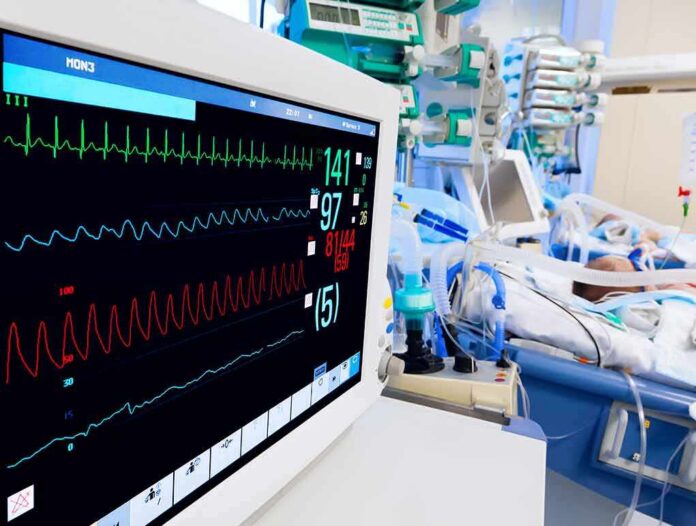
Fire safety experts say neonatal units face special risks because babies cannot self-rescue and rely on incubators, oxygen lines, and constant power. These rooms pack many devices into tight spaces, which raises heat and electrical load. Oxygen can feed even a small spark. Evacuating fragile infants is slow and risky, so the best defense is to prevent fire and to confine smoke fast. Recent studies urge strict audits, staff drills, and “defend in place” plans tailored to these wards.
What We Know Now and What Questions the Probe Must Answer
Based on official statements, a sudden fire in the nursery led to the deaths of 14 newborns, while at least one infant survived after rescue. The nursery reportedly held at least 15 infants at the time, which suggests the ward was near capacity. Leaders ordered an immediate investigation to check maintenance records, alarm and sprinkler performance, compartment doors, and evacuation timing. Investigators also plan to review staff training and recent inspections to see if known hazards were flagged and fixed.
The inquiry must answer core questions: What sparked the fire? How did smoke and heat move through the nursery? Did doors, alarms, and extinguishers work? Were oxygen lines isolated quickly? Were staff trained to follow a smoke-confinement plan? Past cases in the region linked deadly fires to aging wiring, overloaded circuits, and weak audits. Experts point to those same pressure points when advising hospitals on neonatal safety upgrades and drills.
Why This Matters Beyond Islamabad
This tragedy again shows how a single fault in a high-risk unit can turn into mass loss of life. Families trust hospitals to protect those who cannot protect themselves. When systems fail, the cost is measured in lives and lasting grief. Public anger often grows when leaders promise safety after past fires but fail to fund fixes, enforce codes, or maintain lifesaving gear. Experts have mapped clear steps that reduce risk; what is missing is steady follow-through.
Today's tragedy at PIMS Hospital, Islamabad is beyond heartbreaking. We already have strong laws such as the Islamabad Fire Safety Act 2010 and Building Codes of Pakistan 2016, which cover NFPA safety standards for every scenario. These laws exist and are in force. (1 of 3).
— Sheikhoo (@Nedian_shaikh) August 26, 2026
For readers at home, the lesson is not only about Pakistan. Hospitals everywhere face pressure to do more with less, and safety work is easy to delay until it is too late. Neonatal wards demand the strictest standards, because every second counts when smoke fills a room. Transparent findings, firm timelines, and public reporting can drive change. When leaders enforce rules and invest in prevention, infant units can operate safely even under heavy load.
Sources:
apnews.com, npr.org, aljazeera.com, nytimes.com, bbc.com