

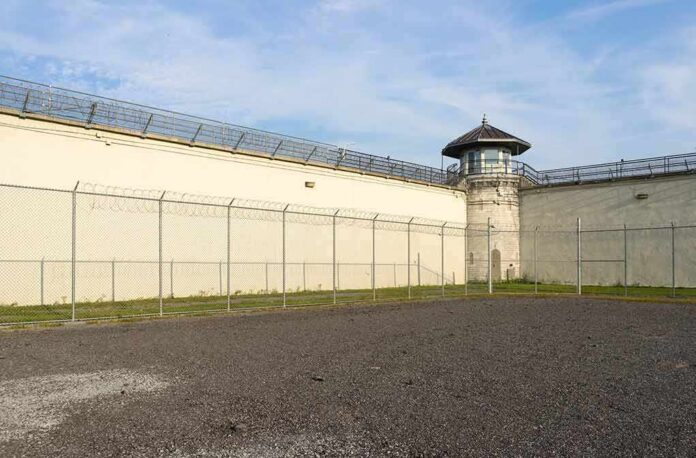
After nearly a quarter century, a military judge set June 5, 2028, as the start of the 9/11 trial at Guantánamo Bay, underscoring how long justice has taken to reach a courtroom.
Story Snapshot
- A military judge scheduled the 9/11 case for June 5, 2028.
- Prosecutors sought January 2027; the judge ruled that was too soon.
- The case covers Khalid Sheikh Mohammed and three co-defendants.
- Pretrial disputes and evidence issues drove the later date.
Judge Sets a Firm Trial Date After Years of Delay
Air Force Lieutenant Colonel Michael Schrama ruled that trial “on the merits” will begin Monday, June 5, 2028, for Khalid Sheikh Mohammed and three other men charged in the September 11, 2001 attacks. Reports say the order came on August 26, 2026. The decision fixes a clear point on the calendar for a case that has stretched for decades. The ruling addresses four accused together and moves the proceedings into a new phase at the military commissions at Guantánamo Bay.
Prosecutors had asked to start trial in January 2027. Judge Schrama found that timeline too aggressive and chose the 2028 date instead. According to published accounts, the judge tied the schedule to resolving pretrial disputes, including what evidence can be shown to a panel at trial. That places the focus on finishing complex legal work before a jury hears the case. It also reflects how classified material and past statements remain central issues.
What the Ruling Says About the Path Ahead
Coverage of the order says the later start is not a retreat from trial. It is a plan to complete key steps first, then proceed to verdicts on the facts. Reports describe milestones that must be met on evidence, witness access, and motions that challenge what will be allowed in court. Those steps matter because appeals often turn on rulings made before opening statements. Getting those choices right can help any verdict stand up later.
The Office of Military Commissions maintains an updated website and court calendar for these cases, which shows the system remains active and scheduled work continues. The public pages help track hearings and filings, even though many details remain in formal orders or sealed records. That visibility is limited but still confirms that the commission process is moving. For families and the public, the calendar offers a window into a slow, technical process.
Why This Fits a Larger Pattern of Delay
The Guantánamo commissions have long faced slow progress, repeat litigation, and appeals risk. Legal scholars and advocacy groups have described the system as marked by stagnation and dysfunction over many years. An overview from the American Bar Association notes the commissions began in 2004 and then slid into what looked like an “interminable delay” by the next decade. This history explains why a real trial date can still feel far away to many observers.
Academic and human rights analyses point to unsettled rules, fights over statements, and questions about how to try wartime conduct as reasons for the delays. Some critics argue that choices made early in the process continue to slow outcomes today. Others point out that federal courts in the United States have handled many terrorism cases to final judgment while the commissions have delivered few durable results. Those comparisons shape how people judge this new date and what it may deliver.
What to Watch Between Now and 2028
The key markers to watch are rulings on evidence and the pace of remaining pretrial motions. Reports say the admissibility fights include what statements the panel can hear and how classified records will be handled. Each decision can affect how the trial is presented and how long it lasts. Meeting the judge’s milestones will determine whether the June 2028 start holds. If the steps slip, the date could shift, as has happened in past years.
Updates from #Guantánamo
16 years since arraignment. Fifth judge. A new date now: June 2028. Maybe.
The delay is not paperwork. It is torture. Every piece of this case runs through a CIA black site. That is why nothing moves. That is why nothing will move.
Call this what it… pic.twitter.com/5cEQ8tyJ6P
— Mansoor Adayfi 441 منصور الضيفي (@MansoorAdayfi) August 27, 2026
The stakes are high for both accountability and public trust. Families want answers that feel real and final. Americans across the spectrum worry about a system that seems to take decades to deliver a trial. The government runs the commissions and sets the resources and rules, so its follow-through now will signal whether it can carry out justice without more detours. The calendar is set. The hard part is meeting it and finishing the work in open court.
Sources:
redstate.com, abcnews.com, usnews.com, nydailynews.com, democrata.es, fpa.org, kfoxtv.com, mc.mil