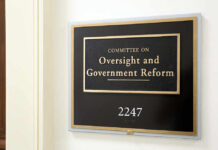


House Oversight Chairman James Comer subpoenas Trump-appointed AG Pam Bondi over stalled Epstein file releases, exposing even conservative frustration with DOJ foot-dragging on elite sex trafficking accountability.
Story Snapshot
- Comer issues formal subpoena March 17, 2026, forcing Bondi deposition April 14 on Epstein probe mismanagement.
- Bipartisan 24-19 committee vote, with five Republicans joining Democrats, signals rare cross-aisle pressure on Trump DOJ.
- Trump’s 2025 Transparency Act demands file releases, but redactions, victim exposures, and missing documents fuel outrage.
- DOJ offers briefings but calls subpoena unnecessary, prioritizing victim privacy amid massive file volume.
- Probe follows Clinton depositions, highlighting elite impunity concerns vital to conservative demands for justice.
Subpoena Targets DOJ Handling of Epstein Files
House Oversight Committee Chairman James Comer issued a formal subpoena on March 17, 2026, compelling Attorney General Pam Bondi to appear for a deposition on April 14. The action addresses the Department of Justice’s management of the Jeffrey Epstein and Ghislaine Maxwell investigations. Comer holds Bondi directly responsible for compliance with the Epstein Files Transparency Act, signed by President Trump in November 2025. This law mandates release of related records to expose sex trafficking networks involving powerful figures. Conservatives view delays as eroding public trust in government accountability for protecting victims and upholding law.
Bipartisan Vote Reveals Internal GOP Pressure
The committee voted 24-19 in early March 2026 to authorize the subpoena, with five Republicans crossing party lines to join Democrats. This unusual alliance underscores widespread frustration over slow file releases and alleged mishandling. Rep. Nancy Mace, a conservative voice, proposed the subpoena and posted on X that the American people demand answers. Democrats like Rep. Robert Garcia accuse Bondi of a cover-up. Such bipartisan action pressures the Trump administration to deliver transparency, aligning with core conservative values of limited government obstruction and elite accountability.
Background on Epstein Case and Transparency Act
Epstein’s sex trafficking drew scrutiny from the Bush era, including a controversial 2008 Florida plea deal. Probes spanned Obama and Trump’s first term, ending with Epstein’s 2019 arrest and death; Maxwell faced trial under Biden. Trump signed the Transparency Act to force DOJ disclosure. Bondi faced criticism for 2025 White House handouts lacking revelations, a July announcement denying a client list, and December releases with redactions that exposed victim details like nude photos. These failures highlight risks to victim privacy while stalling justice, a key conservative concern against government overreach.
Recent committee actions include March 2026 depositions of Bill Clinton, who denied wrongdoing, and Hillary Clinton, who claimed no Epstein knowledge. DOJ now probes its own potential withholdings, including missing FBI interviews on uncorroborated 1980s Trump-Epstein claims. Ongoing releases remain incomplete, fueling demands for full disclosure.
Breaking: Oversight Committee Chair Comer Formally Subpoenas AG Bondi Over Epstein Fileshttps://t.co/JPbZMtjcIi
— RedState Updates (@RedStateUpdates) March 17, 2026
Stakeholder Reactions and Power Dynamics
Comer drives the probe for transparency and potential reforms on trafficking probes and plea deals. Bondi and Deputy AG Todd Blanche defend the process, offering March 18 briefings and access to unredacted files while deeming the subpoena unnecessary. Congress asserts oversight authority over the executive branch. This tension tests Trump DOJ dynamics, as the president historically claimed credit for Epstein arrests. Bipartisan pressure, including from Republicans like Mace, signals an internal rift prioritizing American demands for truth over party loyalty.
Implications for Victims and Governance
Short-term, the subpoena forces Bondi testimony and possible document production, escalating Congress-DOJ conflicts. Long-term, it could reform DOJ transparency in high-profile cases and tighten federal plea deals for sex crimes. Epstein victims face privacy risks from poor redactions; trafficking survivors benefit from stronger anti-trafficking oversight. Politically, it erodes trust in the Trump administration and heightens scrutiny on elite networks across parties. Conservatives see this as essential to combat impunity, reinforcing family values and constitutional checks against hidden abuses.
Sources:
House Oversight subpoenas AG Bondi to probe Epstein case mismanagement
House Oversight Committee subpoenas AG Pam Bondi over DOJ handling of Epstein records
House committee votes to subpoena Attorney General Bondi to answer questions over the Epstein files