

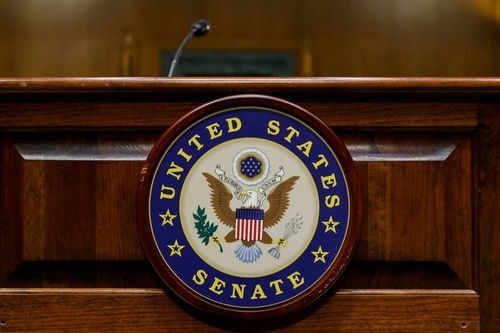
Senator Ron Johnson is urging Republicans to “nuke” the Senate filibuster so they can finally pass President Trump’s SAVE America Act and lock in citizenship-only voting nationwide.
Story Snapshot
- Senator Ron Johnson says Republican voters want the filibuster ended to pass the SAVE America Act and protect citizen-only voting.
- The SAVE America Act would set national rules requiring voter identification and proof of U.S. citizenship to register and vote in federal elections.
- The bill has already failed in the Senate under the 60-vote rule, with four Republicans joining Democrats to block it.
- Conservatives are split: some demand ending the filibuster now, others warn Democrats would later use that power for their own radical agenda.
Johnson’s Push: End the Filibuster to Save Election Integrity
Wisconsin Senator Ron Johnson is now openly calling for the end of the Senate’s 60-vote filibuster rule so Republicans can pass the SAVE America Act while they still hold power. In a Newsmax interview, he said “our supporters, our voters want us to end the filibuster” to get the bill across the finish line and secure elections before Democrats take back control. He argues the act is “crucial to saving our democracy” because it ensures only American citizens can vote in federal races.
Johnson has taken his case beyond television hits and social media posts, writing an opinion piece that appeared via The Wall Street Journal and Wisconsin outlets calling the filibuster an outdated rule that has “paralyzed” Congress and blocked needed reforms. On his official Senate page, he warns that if the nation does not require voter identification and limit voting to United States citizens, “we won’t have a country.” For Johnson, the SAVE America Act and rule changes are tied together: he sees ending the filibuster as the only way to guarantee clean, citizen-only voter rolls.
What the SAVE America Act Would Do — And Why It Failed
The SAVE America Act is President Trump’s signature election integrity bill, pushed by House and Senate conservatives to set one national standard for federal elections. The measure would require documentary proof of U.S. citizenship at voter registration and solid voter identification at the polls, going beyond state driver’s license rules that do not always prove citizenship. Supporters say this is basic common sense to stop noncitizen voting, even though federal law already says only citizens may vote.
Despite strong backing from Trump and conservative groups that point to polling showing broad support for the idea, the bill hit a wall in the Senate. On June 4, the SAVE America amendment failed on a 48–50 vote, with four Republicans — Susan Collins, Lisa Murkowski, Mitch McConnell, and Thom Tillis — joining all Democrats to oppose it. Because the Senate’s filibuster rule requires 60 votes to end debate on this kind of bill, the measure could not advance, even though a majority of Republicans backed it. That defeat fueled Johnson’s argument that the filibuster, not just Democrat opposition, is killing election integrity.
Republican Divide: Nuke the Filibuster or Protect It from Abuse?
Johnson is not alone. Other conservative senators told The Federalist the Republican-controlled Senate must “blow up” the filibuster to save the SAVE America Act, describing the current rule as a “bill kill switch” that blocks a “republic-saving election reform package.” Some House conservatives have urged a “talking filibuster,” where senators must physically hold the floor, as a way to push the bill while exposing Democrat obstruction to voters watching at home. These members believe Democrats will end the filibuster whenever it suits them, so Republicans should act first and use it to secure elections now.
But many Republicans are nervous about opening that door. Senator Thom Tillis, who voted against the SAVE amendment, argued that eliminating the filibuster would erase the need for bipartisan compromise and lead to wild policy swings that “would transform America for the worse.” Majority Leader John Thune has also resisted moves to scrap the rule, with reports noting he does not have the votes even inside the GOP to change Senate precedent or run a grueling talking filibuster strategy. Opponents argue eliminating the filibuster could allow future Senate majorities to advance sweeping legislation with a simple majority.
Democratic Resistance and Claims of Voter Suppression
Democrats in the Senate are united against the SAVE America Act and any effort to change the filibuster for election laws, framing the bill as voter suppression rather than protection. Election lawyer Marc Elias warned the measure could block voters who cannot easily produce documents like certified birth certificates or passports, saying it would lead to “significant voter suppression” for those citizens. The League of Women Voters also argues the bill is “unnecessary” because it is already illegal for noncitizens to vote, claiming the new paperwork rules would divide Americans and strip eligible voters of their rights.
Democrats further defend the filibuster as a guardrail for democracy, not a threat to it. While much of the public debate paints Democrats as eager to end the rule, their current stance is that the filibuster forces both parties to find middle ground and stops rapid swings in national election policy. Outside groups on the left, like the Brennan Center for Justice and others, have long attacked the filibuster as blocking civil rights and democracy reforms, but on this bill Democrats are using it as a shield. That irony is not lost on conservatives, who see Democrats perfectly willing to use a tool they claim to hate when it helps block citizen-only voting protections.
What’s Next: Reconciliation, Pressure from Trump, and a Choice for the GOP
Some Republicans have discussed reconciliation as a possible legislative vehicle, although Senate budget rules place significant limits on what election-related provisions can be included. That route is complex and still faces strong Democrat resistance, but it shows how determined Trump’s allies are to move the bill without waiting for Democrat cooperation. At the same time, President Trump has increased public pressure on Congress, repeatedly calling on senators to “do whatever it takes” to pass SAVE and stop illegal voting.
For constitutional conservatives, the core question is simple but serious: is ending the filibuster now a justified price to pay to secure citizen-only voting and strong election integrity, or does nuking it hand future Democrats a loaded weapon for sweeping assaults on gun rights, family values, and the constitutional balance? Johnson’s warning is clear — he believes Democrats will eventually pull that trigger themselves. The rest of the Republican Party must decide whether to act first, protect the rule, or find a third path that defends both secure elections and the Senate’s unique role as a brake on raw power.
Sources:
youtube.com, thehill.com, politico.com, wispolitics.com, punchbowl.news, ballotpedia.org, ronjohnson.senate.gov, facebook.com, cnbc.com, legislativeprocedure.com, tillis.senate.gov, clubforgrowth.org, npr.org, instagram.com, effectivegov.uchicago.edu, americanprogress.org, afj.org