

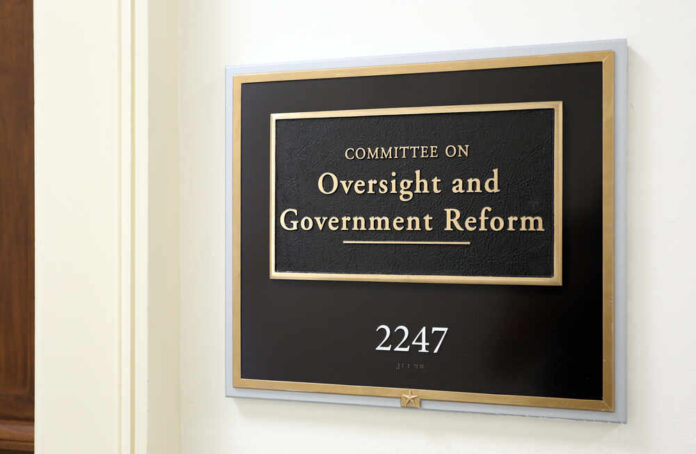
House Democrats abruptly walked out of an Epstein-files briefing with Attorney General Pam Bondi—then demanded sworn testimony, turning a sensitive transparency fight into a new flashpoint over congressional oversight.
Story Snapshot
- Democrats on the House Oversight Committee left a closed-door March 18 briefing with AG Pam Bondi and Deputy AG Todd Blanche after clashing over whether answers would be under oath and transcribed.
- Oversight Chair James Comer had subpoenaed Bondi a day earlier, and Rep. Summer Lee filed articles of impeachment targeting Bondi as the dispute escalated.
- Democrats argued the unsworn format prevents accountability on how Epstein-related materials are being handled and released; Republicans called the walkout political theater.
- A parallel Senate fight intensified as Sen. Ron Wyden accused DOJ leadership of blocking access to an unredacted 2015 DEA memo tied to Epstein-related money flows, while Blanche said access is available through a DOJ reading room.
Why Democrats Walked Out: Oath, Transcript, and Control of the Record
House Oversight Democrats walked out mid-briefing on March 18 after objecting to a closed-door format that did not provide the sworn, transcribed testimony they say is necessary to test credibility and preserve a usable record. Ranking Member Rep. Robert Garcia demanded a formal, on-the-record process and framed the meeting as inadequate for oversight. Republicans countered that the briefing was substantive, while Democrats viewed it as evasive without the legal weight of an oath.
The dispute also included complaints about tone and conduct inside the room, adding to the breakdown. A friction between lawmakers and committee leadership, with Democrats arguing they were being disrespected during questioning. Because the session was closed, the public cannot independently verify what was said in full, which leaves the fight hinging on competing characterizations: Democrats insist they were denied accountability mechanisms, while Republicans argue the walkout was designed for cameras.
The Subpoena-and-Impeachment Escalation Against Bondi
Chairman James Comer subpoenaed Bondi on March 17, setting the stage for a confrontation over DOJ compliance and timing around Epstein-related document releases. That same day, Rep. Summer Lee filed articles of impeachment against Bondi, a move that underscored how quickly the issue has become a high-stakes political and procedural battle. Democrats suggested an oath could expose inconsistencies; Republicans and DOJ leadership have emphasized process and access rather than public testimony.
The closed-door briefing’s collapse leaves multiple next steps possible but not yet scheduled in the public record: a sworn deposition, a transcribed interview, or further committee action to enforce demands. Rep. Maxwell Frost signaled Democrats expect to see Bondi in a sworn setting. For voters who have watched Washington protect itself for years, the key question is straightforward: will Congress get verifiable answers about what exists, what has been released, and why some material remains redacted or delayed?
Epstein Files Pressure Builds as DOJ Cites Process and “Reading Room” Access
The latest House clash is part of a broader pressure campaign that has included bipartisan frustration over the pace and scope of disclosures. Earlier in 2026, Rep. Ro Khanna publicized redacted names on the House floor, after which DOJ moved toward additional unredactions. Separately, Bondi’s department has faced scrutiny after Deputy AG Todd Blanche interviewed Ghislaine Maxwell and Maxwell was transferred to a minimum-security prison—an unusual move that drew questions even as DOJ defended its handling.
At the center is a familiar Washington problem: access exists, but on terms controlled by the bureaucracy. DOJ’s position is that certain sensitive materials can be reviewed by lawmakers through controlled channels, including a DOJ reading room. Critics argue that limited, supervised access is not the same as producing records in a way that permits independent analysis, follow-up questioning, and public accountability. The closed-door briefing format intensified those concerns rather than resolving them.
The Wyden-Blanche Dispute Shows How Document Fights Spiral
Sen. Ron Wyden added another front to the conflict by alleging DOJ interference over an unredacted 2015 DEA memo connected to Epstein-related financial activity. Wyden’s account portrays a “black box” process that prevents meaningful oversight, while Blanche publicly rejected the allegation and asserted the material is available for review via established DOJ procedures. With no public release of the disputed memo’s full contents, outside observers cannot independently assess which side’s process claims are stronger.
That uncertainty is exactly why oath-and-transcript battles matter. If lawmakers believe an agency is slow-walking or selectively presenting information, sworn testimony and a clean record become the enforcement tools Congress can use without relying on press releases or dueling social media posts. If DOJ believes public disclosure could jeopardize investigations or privacy, it can argue for controlled access—but it still has to persuade Congress that limits are lawful, consistent, and not politically convenient.
Sources:
House Oversight Democrats Storm Out of Epstein Briefing With Pam Bondi
DOJ’s Blanche clashes with Wyden over DEA Epstein documents