
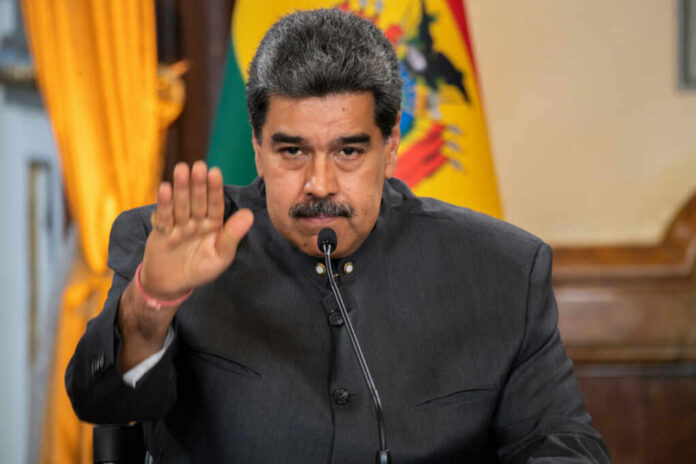
When a U.S. raid can snatch a sitting foreign leader and fly him to Brooklyn, the “endless wars” debate inside the MAGA base just got a lot harder to ignore.
Story Snapshot
- U.S. forces captured Venezuela’s Nicolás Maduro and Cilia Flores in Caracas on Jan. 3, 2026, and transferred them to New York for federal prosecution.
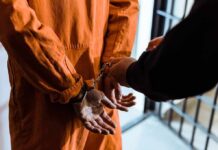
- Maduro has pleaded not guilty and is being held at the Metropolitan Detention Center in Brooklyn under reportedly heightened restrictions, though details remain unverified in the provided sources.
- Analysts warn the capture-and-transfer operation raises serious international-law and U.S.-law questions, reviving concerns about precedent and executive war powers.
- Supporters of President Trump—already split over the Iran war—are now debating whether this Venezuela operation reflects targeted law enforcement or another slide into regime-change logic.
What We Know About the Capture, Transfer, and Charges
U.S. forces captured Nicolás Maduro on Jan. 3, 2026, during a large-scale operation in Caracas that reportedly involved significant air assets and multiple strikes. U.S. Army Delta Force and CIA personnel were described as central to the mission, and Maduro and his wife, Cilia Flores, were flown first to the USS Iwo Jima before being transferred to New York. Maduro later appeared in federal court and pleaded not guilty.
Federal prosecutors have tied the case to longstanding allegations of narco-terrorism and drug trafficking. The recent report says a superseding indictment was unsealed on the same day as the capture, describing charges that include narco-terrorism, conspiracy, drug trafficking, money laundering, and corruption. Several also frame the alleged network as involving protection for trafficking routes and the use of state resources. Those claims will ultimately rise or fall in court, not on cable news.
International Law Questions Collide With War-Powers Politics at Home
International-law experts argue the operation creates major sovereignty problems and potentially conflicts with the U.N. Charter. One analysis characterizes the Caracas raid as a “textbook violation” of international law and raises questions about authorization under U.S. law as well. Another warns the U.S. relied on an unconvincing self-defense rationale rather than a clearer legal theory. For constitutional conservatives, that scrutiny matters because precedents set abroad often reshape executive power at home.
Why This Hits a Nerve in a GOP Base Already Split Over Iran
Axios reporting highlights how internal disagreements and intelligence disputes can coexist with aggressive prosecution narratives. That dynamic is familiar to voters who watched shifting rationales justify interventions over the last two decades. In 2026, with the U.S. already at war with Iran, a high-profile capture in Venezuela intensifies the argument inside the Right: are these operations truly limited, or do they function as regime-change by another name?
For Trump supporters frustrated by high energy costs and weary of open-ended conflict, the key policy question is narrower than partisan talking points: what legal authority governed this operation, what oversight exists, and what stops the same logic from expanding? Even voters who believe Maduro’s alleged criminality is real can still demand constitutional clarity—clear authorization, clear objectives, and clear limits—because executive missions without tight constraints have a history of growing beyond their original scope.
Sources:
A Guide to Maduro’s Capture and Venezuela’s Uncertain Future
US capture of President Nicolás Maduro and attacks on Venezuela have no justification
Five Questions About the Maduro Operation
How Venezuela Became a Gangster State