
Hillary Clinton’s on-air suggestion that Prime Minister Benjamin Netanyahu may have let a Hamas plot “play out” for political gain ignited a fresh fight over accountability, evidence, and media spin.
Story Snapshot
- Clinton floated a speculative motive tied to an Israeli press report about a United Arab Emirates warning to Netanyahu.
- Her wording linked possible forewarning, inaction, and political benefit, while adding “I don’t know what his thinking was”.
- critics say this edges toward claiming intentional neglect; defenders note she framed it as speculation, not fact.
- Past comments show Clinton has long blasted Netanyahu’s leadership after October 7, 2023.
What Clinton Said And Why It Landed With Force
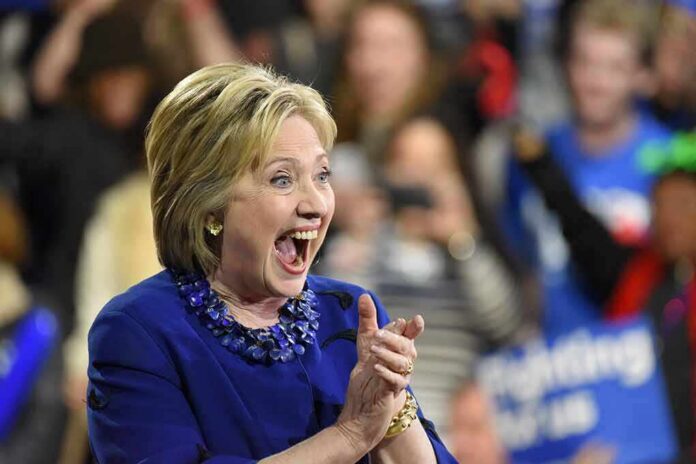
On MSNBC’s Morning Joe, Clinton said an Israeli press “bombshell” claimed United Arab Emirates leader Mohammed bin Zayed warned Netanyahu that Hamas was planning something. She then said he either did not believe it, or — “it’s horrible to say” — he wanted to see what Hamas could plan so he could strike hard and boost his position. She closed with, “I don’t know what his thinking was”. The phrasing raised the stakes by tying possible advance warning to political advantage.
Coverage from outlets across the spectrum repeated the same core quote. Some headlines treated it as a stunning charge. Others stressed her hedge and the conditional “possible” framing. Newsweek’s write-up also tied her remark to the reported United Arab Emirates warning and presented her line as speculation about motive, not a settled claim. The lack of the original Israeli report in the public thread leaves a gap that fuels louder arguments on both sides.
What We Know, What We Do Not, And The Evidence Bar
The public record in these stories does not supply the Israeli report itself, a transcript of any warning call, or government documents that confirm or deny whether Netanyahu received a specific alert from the United Arab Emirates. Clinton’s remark is therefore an on-air hypothesis, not proof. The strongest facts we have are her exact words and the press repetition of them. Without the primary Israeli source, the claim rests on secondhand reporting.
Clinton’s past statements add context. In February 2024, she called Netanyahu “not a trustworthy leader” and said October 7 happened on his watch, but she did not allege complicity then. That history primes audiences to hear sharper motives now. Still, her Morning Joe line included a clear caveat. Defenders point to that hedge to argue she was weighing possibilities, not alleging orchestration. Critics counter that voicing such a possibility from a major figure can shape public belief even without evidence.
Why This Debate Resonates In A Season Of Distrust
Major attacks often trigger fights over who missed what warning. Studies of Israeli intelligence lapses around October 7 point to layered failures, bias toward old assumptions, and breakdowns across agencies, rather than a single decision point. That picture leaves room for hard questions but rarely clean answers. In today’s media climate, short clips travel faster than context, and leaders’ words can become fuel for existing narratives of elite failure and political self-interest.
For many Americans, this story hits core nerves. People on the right and left see leaders who protect power first. They hear a famous official muse that a prime minister might have benefited from delay, and it feels like proof of a deep, broken system. Yet serious claims need solid sourcing. The path forward is simple but hard: release the underlying report, confirm whether a warning occurred, and show who saw what, when. Anything less invites more speculation.
How To Read Claims Like This Without Getting Spun
Start with the verifiable words. Clinton’s exact quote links a reported warning to two possible motives and includes a hedge. That is not proof of intent. Check whether the base source is public. Here, the Israeli report she cited is not provided in the coverage. Note incentives. Media and political actors gain from the most shocking version. Demand documents and direct testimony before accepting claims about what leaders knew and why they acted, especially on war and peace.
Mrs. Clinton proved with these remarks that she is not only stupid but also evil. To claim that the war after October 7 strengthened Netanyahu politically is simply not true; all the polls in Israel prove that Netanyahu was severely harmed as a result of the events of October 7,… pic.twitter.com/1wdbbSlBkv
— Israel & World News (@Nonstopnews_) September 10, 2026
For a public tired of rising prices, endless fights, and leaders who never seem to answer straight, this episode reinforces a shared fear: that the people in charge play politics while citizens pay the price. Accountability requires patience and proof. That is the only way to sort negligence, misjudgment, and malice — and to push any government, here or abroad, back toward honesty and duty.
Sources:
townhall.com, pbs.org, msn.com, yahoo.com, newsweek.com