
President Trump delivers a masterclass in strong diplomacy, warmly hosting Japan’s conservative Prime Minister Sanae Takaichi at the White House while the usual leftist suspects hysterically flip out over a harmless Pearl Harbor joke.
Story Highlights
- Trump praises Japan for stepping up on Iran tensions, unlike reluctant NATO allies, strengthening U.S. burden-sharing.
- Bilateral talks yield potential collaboration on Strait of Hormuz mine sweepers and a massive $40 billion U.S. reactor project.
- Warm personal rapport between Trump and Takaichi highlights reliable alliances amid global chaos from Iran and China.
- Trump’s offhand Pearl Harbor joke draws predictable outrage from critics, ignoring the positive diplomatic momentum.
Trump Hosts Japanese PM Amid Iran Crisis
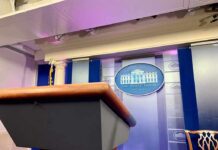
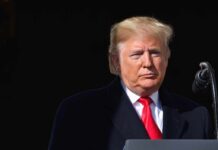
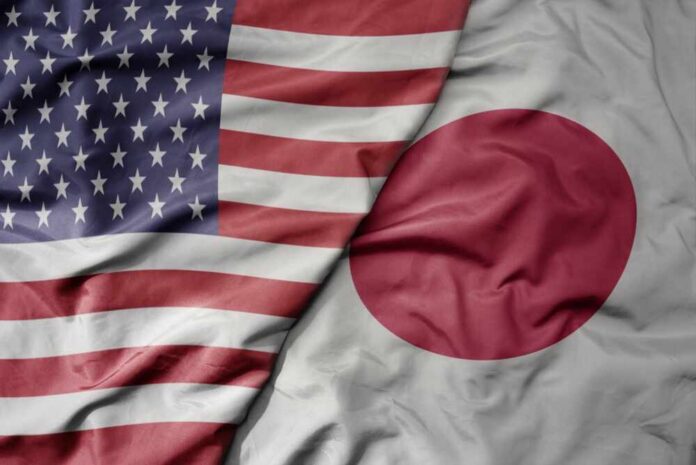
President Donald Trump welcomed Japanese Prime Minister Sanae Takaichi to the White House for bilateral meetings, a welcome ceremony, and a formal dinner. Discussions covered Iran tensions, trade, China threats, energy security, and the U.S.-Japan alliance. Trump highlighted Japan’s willingness to contribute, stating Japan is “stepping up to the plate unlike NATO.” This approach contrasts sharply with past administrations’ reliance on American overstretch, prioritizing true partnerships that respect American taxpayers.
Praise for Ally Burden-Sharing
Takaichi, Japan’s first female prime minister and a nationalist LDP figure, thanked Trump for his “deep trust” in the alliance. She condemned Iran’s attacks on energy infrastructure and the Strait of Hormuz closure, which disrupted global oil supplies. Trump announced potential U.S.-Japan collaboration on mine sweepers for the Hormuz Strait and eyed control of Karg Island. Treasury Secretary Scott Bessent supported strategic moves to counter Iran. These steps advance energy security and deter aggression without new U.S. troops, embodying President Trump’s America First strategy.
$40 Billion Reactor Deal Boosts Energy Ties
The meetings paved the way for a $40 billion U.S. reactor project, enhancing nuclear energy cooperation. This deal positions Japan as a key Indo-Pacific partner against China, following Takaichi’s warning of an “extremely difficult” visit the day before. Israeli strikes on Iran’s gas field on March 18 heightened urgency, with Trump urging de-escalation via Truth Social while confirming U.S. awareness of operations. The warm interactions, including a “very fine relationship” remark, signal renewed alliance vigor after Trump’s first term trade deals.
Evening events featured a formal dinner, underscoring personal rapport. Trump criticized prior administration inefficiencies tangentially, reinforcing his focus on cost-effective diplomacy. Ongoing coordination promises Hormuz stability and oil market relief, benefiting American consumers weary of inflation from global mismanagement.
Japanese PM and Trump Share Sweet Moments During White House Visit As Usual Suspects Flip Out Over Jokehttps://t.co/XDwKLlWk6c
— RedState Updates (@RedStateUpdates) March 20, 2026
Leftist Critics Ignore Diplomatic Wins
Trump referenced Pearl Harbor in a lighthearted joke during talks, prompting backlash from the usual suspects who labeled it insensitive. Despite sparse details, critics amplified partisan divides, overlooking the positive framing of U.S.-Japan rapport amid Iran war escalations. Bloomberg noted a “relatively warm welcome” despite pre-visit fears. This manufactured outrage distracts from real victories like ally burden-sharing and economic deals that protect conservative values of limited government intervention abroad.
Short-term implications bolster deterrence against Iran and China, easing oil disruptions. Long-term, these precedents pressure other allies like NATO and foster energy independence through reactor investments. Global energy markets and defense sectors gain, while partisan noise fades against pragmatic results.
Sources:
President Trump hosts dinner with Prime Minister Sanae Takaichi (White House/FOX)