
Minnesota’s fraud-plagued safety-net system is now so politically radioactive that even routine oversight fights are being sold as “eradicate the program” moments—while federal investigators keep widening the net.
Story Snapshot
- Federal prosecutors have tied Minnesota-based schemes across multiple public programs to an estimated $9 billion in fraud, a figure Gov. Tim Walz disputes.
- Republican lawmakers demanded Walz cooperate with federal investigators and urged his recusal from decisions tied to the probes.
- Major cases center on child nutrition, Medicaid-linked services, housing, and behavioral health; investigators say the scandal is broader than “daycare fraud” alone.
- Walz announced anti-fraud reforms and a DHS overhaul, and he stepped back from a reelection bid amid the political fallout.
The “Eradicate the Program” claim runs ahead of verified public records
Online coverage and viral commentary have framed the latest Minnesota developments as the state House voting to “completely eradicate” a corrupted program tied to new fraud revelations. What is indicated is a pattern of program shutdowns and restructurings after fraud allegations—most clearly in Medicaid-funded housing—alongside expanding federal investigations into multiple programs.
The difference matters for taxpayers who want accountability without spin. Terminating a particular initiative or canceling contracts with providers is not the same as abolishing an entire category of public assistance. This instead shows a long-running enforcement arc: federal prosecutions, state agency changes, and congressional pressure. Any claim of a clean “House voted to eradicate it” outcome should be treated as unconfirmed unless accompanied by the actual legislation and vote record.
What the fraud cases actually involve: many programs, many methods
Minnesota fraud schemes spreading across child nutrition reimbursements, childcare-related claims, Medicaid billing, housing support, and behavioral-health services. The best-known early case, Feeding Our Future, drew federal scrutiny after complaints and red flags accumulated over years, with prosecutors charging dozens of individuals in a sprawling kickback-and-false-claims pattern. Other investigations later touched autism-related spending and a Medicaid-funded housing program that Minnesota terminated after allegations involving dozens of providers.
CBS News describes the Minnesota situation as long-brewing and multi-pronged rather than a single, sudden scandal, while noting the political and community tensions that followed high-profile arrests and convictions. The Wall Street Journal’s framing underscores how damaging the controversy became for Walz politically, but that political impact is not the same thing as proof that any one elected official personally committed fraud. The most defensible conclusion from the sources is systemic vulnerability: big money flows, weak controls, and delayed intervention.
Walz’s exposure: oversight failures, disputed figures, and a trust problem
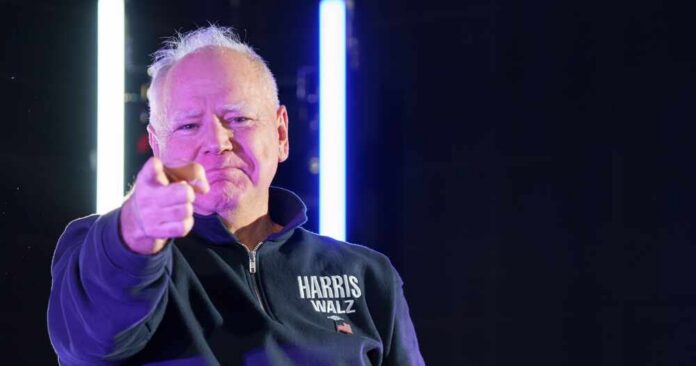
Republicans have centered their criticism on Walz’s oversight and on allegations that his office retaliated against whistleblowers or impeded scrutiny, while also repeating a prosecutor-linked estimate that total fraud exposure reaches $9 billion. Walz has disputed the $9 billion figure and argued the problem was exploited for partisan ends, even as he announced reforms and staffing changes aimed at fraud prevention. The confirmed facts support heavy scrutiny of governance, not a settled verdict of personal culpability.
In the Feeding Our Future timeline, Walz at one point suggested a judge forced payments to resume; later a judicial clarification that payments were resumed voluntarily, not by court order. That kind of contradiction is exactly what drives public anger: when leaders appear to shift responsibility rather than plainly explain who authorized payments, under what authority, and why safeguards failed when warning signs were already on the table.
Federal escalation and congressional pressure in the Trump era
With President Trump back in office in 2026, the political climate around welfare fraud and borderless “anything goes” governance has shifted sharply toward enforcement and audits. House Oversight scrutiny intensified, and it indicates Walz was expected to face congressional attention as investigations broadened. At the federal level, the key fact is the scope: prosecutors and investigators have pursued cases spanning numerous programs, with charges and convictions reflecting years of alleged fraud, not a single incident tied to one headline.
For voters frustrated by Biden-era spending and lax oversight, Minnesota has become a case study in how massive federal and state funding streams can be exploited when controls are weak and accountability is slow. Conservatives will rightly demand hard answers: which agencies ignored red flags, why payments continued, and what concrete controls are being imposed now. The support calls for transparency and reforms, while leaving some of the most viral accusations unproven or overstated.
What reforms can (and can’t) fix—without punishing legitimate recipients
Walz’s administration announced an anti-fraud push, including hiring a fraud integrity director and restructuring at the Department of Human Services. Axios and other reporting tie these changes to the political crisis and the practical need to show taxpayers that the state is not simply writing blank checks. The challenge is that sweeping crackdowns can also disrupt legitimate services for low-income families who never participated in fraud—one reason clear targeting and strong evidence standards matter.
Tim Walz Is Exposed by More Fraud As the Minnesota House Votes to Completely Eradicate Corrupted Programhttps://t.co/L4Aj1DkjtU
— RedState (@RedState) March 17, 2026
The most responsible path forward is aggressive prosecution of fraudsters paired with structural prevention: tighter provider verification, real-time auditing, data matching across agencies, and consequences for officials who ignore oversight warnings. This indicates federal investigators see the scandal as broader than “daycare fraud,” meaning reforms should be system-wide. But until Minnesota lawmakers publish specific legislative text and vote records tied to “eradication” claims, readers should separate confirmed enforcement actions from social-media shorthand.
Sources:
ICYMI: Walz’s $9 Billion Problem: Minnesota Delegation Demands Answers
Minnesota fraud schemes: What we know
Minnesota fraud cases timeline
Minnesota fraud report: Walz staffers say state voluntarily resumed Feeding Our Future funding
Timeline of fraud investigations that shaped Walz tenure