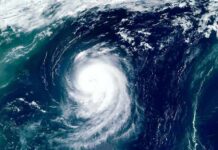

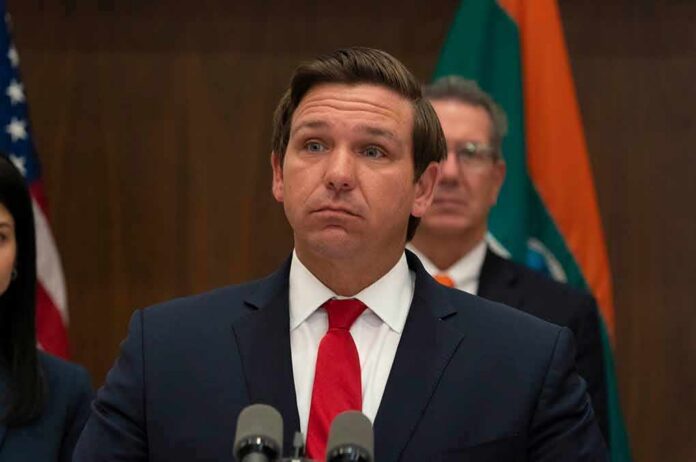
Florida moved from watchful waiting to active readiness as Governor Ron DeSantis warned residents to prepare for Hurricane Isaias and the state advanced emergency actions expected to bring federal support.
Story Snapshot
- Governor Ron DeSantis briefed Floridians on Hurricane Isaias readiness and urged immediate preparation.
- Florida issued a state of emergency for multiple counties as the storm threat grew.
- Federal aid for emergency protective measures followed the state’s declaration.
- Officials framed the briefing as a practical, statewide preparedness effort.
Governor’s Briefing Focused on Immediate Preparation
Governor Ron DeSantis delivered a preparedness update from the State Emergency Operations Center with state emergency leaders present. He said Florida expected impacts even if the storm stayed offshore and asked residents to stock up on food and needed medicines. The Governor’s Office presented the event as a statewide readiness briefing tied to Hurricane Isaias, highlighting the operational purpose rather than politics. The message was clear: prepare early, follow local guidance, and expect changing conditions as forecasts update.
State officials described a readiness push that included staging people and supplies to speed response once conditions allowed. The summary of the state’s plan referenced generators, fuel, food, water, utility crews, road crews, and National Guard support set to move as needed. While some counts were summarized rather than published in a verbatim transcript, the thrust matched standard Florida hurricane playbooks: pre-position assets, keep roads clear, and communicate often so local governments and families can act fast.
Emergency Declaration and Federal Support Followed
Florida issued Executive Order 20-181 declaring a state of emergency for a wide set of coastal and inland counties likely to feel Isaias’s effects. The order expanded state flexibility, unlocked funding, and smoothed coordination across counties. Soon after, the federal government authorized emergency protective measures for the named Florida counties. That approval recognized emergency conditions beginning July 31, 2020, and supported the state’s protective actions against the storm. These steps linked state and federal roles in one response chain.
The White House notice at the time confirmed that the President approved Florida’s emergency request tied to Hurricane Isaias. Federal Emergency Management Agency (FEMA) support focused on urgent needs like debris removal limits, emergency operations, and measures that protect life and property during the threat window. Together, the state order and federal action created a funding bridge that let local agencies move quicker, a core goal when every hour of lead time matters during hurricane season.
How the Briefing Fits a Larger Emergency Pattern
Hurricane briefings often serve two jobs at once: give the public clear steps and show that leaders are on task. Research and practice stress that elected leaders should lift up operational experts, keep the message simple, and focus on safety over show. Florida’s framing of this event as a preparedness update aligns with that approach. The goal is to build trust in the plan and help families act before shelves empty or roads close.
BREAKING: Florida Gov. Ron DeSantis says Hurricane Isaias has strengthened into a Category 3 storm with sustained winds approaching 120 mph.
Forecasters expect significant wind shear could weaken the hurricane before landfall#Trump #MAGA #GasPrices #Inflation #Economy #USA #MAGA pic.twitter.com/8UWGBLFMjh— John wicker James (@JohnwickerJames) October 9, 2026
For many Americans, this kind of straight talk meets a shared demand: cut the spin and deliver the facts. People across the political spectrum worry that government reacts too slowly and wastes resources. When a governor explains risks, asks residents to prepare, and lines up state and federal help, it addresses those doubts in a practical way. It also shows how basic emergency steps—clear orders, staged resources, steady updates—still protect lives when storms test the system.
Sources:
facebook.com, floridadep.gov, x.com, weather.com, clickorlando.com, floridadisaster.org