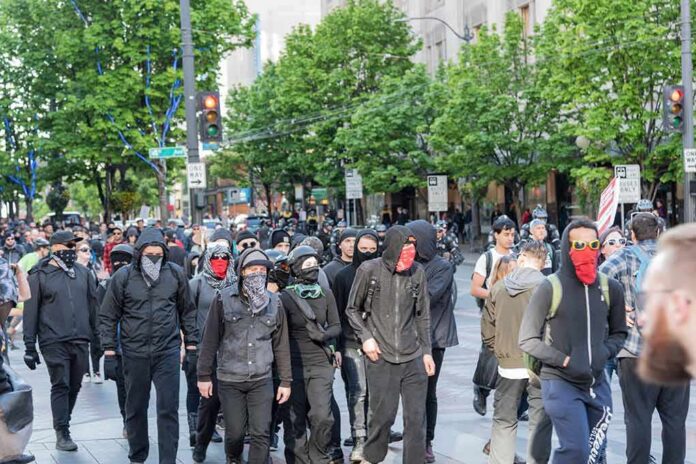
France shut or disrupted hundreds of schools as student protests over overcrowding, missing teachers, and crumbling buildings collided with riot police nationwide.
Story Highlights
- Students protested large class sizes, teacher shortages, and poor facilities across France.
- Officials reported hundreds of affected schools and injuries to police and students.
- Prime Minister Sébastien Lecornu held a crisis meeting as closures spread.
- President Emmanuel Macron condemned violence and blamed some politicians for stoking tensions.
What sparked the nationwide school unrest
Students in cities across France blockaded school entrances and marched to demand smaller classes, enough teachers, and safe buildings. Reports describe classrooms with 30 to 35 students, leaking ceilings, and stifling heat during summer weeks. Protesters say learning suffers when teachers are not replaced and lessons are canceled. Newsrooms in Paris and regional hubs linked the unrest to long-running complaints about staffing gaps, heavy workloads, and worn facilities that students say the state has failed to fix.
Union walkouts by teachers, hospital workers, and other public employees happened at the same time. That timing helped the school protests grow fast and draw wider anger over pay and budget cuts. The overlap also made the streets more tense and crowded. Students demanded more resources, replacement teachers, and better conditions. The message echoed across cities and suburbs, which showed this was more than one bad school. It was a broad push on how France funds and runs education.
How large the disruption became
France’s Education Ministry and local officials counted hundreds of affected high schools as the week went on. Some reports cited more than 330 schools impacted, others put the figure at 356, and by Friday several outlets said nearly 400 closures or disruptions. Police and gendarmes reported injuries among their ranks and numerous detentions tied to fires, blockades, and thrown objects. Even with differing tallies, the scale shows a national issue that stretched security forces and school leaders.
Prime Minister Sébastien Lecornu led a crisis meeting as closures spread, and ministers ordered prefects to secure campuses and nearby streets. Interior leaders said they would deploy mobile riot units where needed to stop damage and keep buses moving. Those steps aimed to restore calm before exams and to reassure families. But the strong police focus risked drowning out the core classroom complaints and turning public debate into only a story of street order versus unrest.
What the government and students each argue
President Emmanuel Macron said he hears the worries of young people and wants to respond in concrete ways. He also said no fear or debate justifies violence, and he faulted some political figures for fueling tensions. Justice and interior officials argued that a violent minority and outsiders hijacked the protests, forcing a tougher response. That message seeks to separate peaceful students from those who lit fires or attacked buses, and to justify quick action to protect schools.
Student riots continue to sweep through French towns and cities over rows about teaching conditions.
Demonstrators have been seen lighting fires, hurling objects at law enforcement officers, and causing widespread disruption, with fire trucks and buses set alight in some areas.… pic.twitter.com/MA6IaDJ324
— CGTN Europe (@CGTNEurope) October 2, 2026
Student groups and many parents argue the core problem is not politics but classrooms that are too full and teachers who are missing. They point to canceled lessons and summer heat that turns packed rooms into unsafe spaces. International snapshots back a mixed picture: France does not face a uniform teacher collapse, but subject and regional gaps persist, and budget stress can widen them. Those facts align with calls for targeted hiring, building repairs, and simple fixes like shade and ventilation.
Why this matters beyond France
The fight over French schools touches a larger question that many Americans feel too: Is government delivering basics well and on time? Crowded rooms, staff shortfalls, and failing buildings look like system failure, not partisan branding. When leaders answer mainly with more police and few public facts on fixes, trust erodes. Clear data on vacancies, class sizes, and repairs, school by school, would show where money must go and whether promises are real rather than political theater.
Sources:
pjmedia.com, reuters.com, euronews.com, cp24.com, france24.com, lemonde.fr, edition.cnn.com