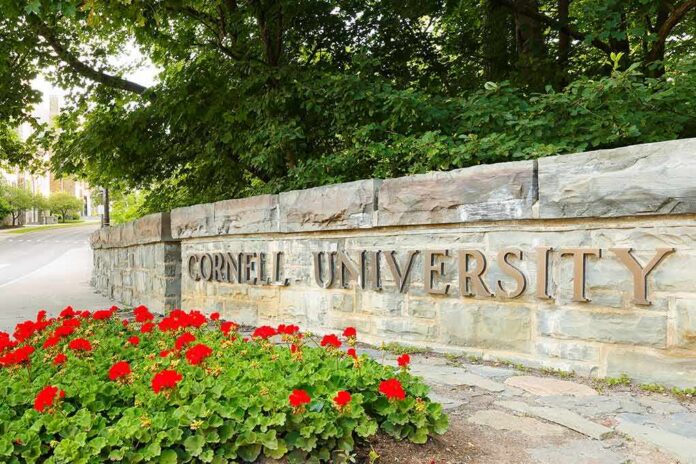
New York’s governor put the state’s top prosecutor in charge of a reopened Cornell assault case after saying the local system fell short, signaling a hard reset with grand jury power and statewide scrutiny.
Story Snapshot
- The district attorney reopened the 2024 Cornell case and plans a grand jury review.
- The attorney general accepted a special prosecutor role under an executive order.
- A civil suit alleges drugging and assault by multiple fraternity members, citing a group chat.
- Cornell supports a grand jury hearing and faces questions about what it shared with prosecutors.
State Takeover Follows Reopened Case and Public Pressure
Governor Kathy Hochul said she signed an executive order appointing the New York Attorney General as special prosecutor in the Cornell case. The Attorney General’s Office said it accepted the role and will investigate and, if warranted, prosecute offenses and present evidence to a grand jury. The Tompkins County district attorney said on September 28 that he reopened the 2024 case and will bring it to a grand jury after earlier declining charges. He called the 2024 decision legally correct based on the record then.
Multiple outlets reported the civil complaint added details that were not in the original criminal account. The filing alleges that several fraternity members drugged and sexually assaulted the student and includes an image of a group chat invitation. Reporting also says Cornell’s internal Title Nine probe amassed more than 1,000 pages, while the district attorney’s office said it initially received a much thinner packet, raising disclosure questions now under state review.
Competing Accounts and Evidence Gaps Define the Stakes
District Attorney Matthew Van Houten has defended the original 2024 no-charge call. He said Jane Doe’s statement at that time described drug use and sexual conduct as voluntary and did not allege nonconsensual drugging or gang rape, which he cited as the legal basis to decline charges. He later said his office relied on the campus police investigation rather than running an independent probe, a practice he described as common in the region. Those choices are now under renewed scrutiny as the record expands.
CNN and others reported that Cornell’s Title Nine file included a lengthy transcript and interviews. The district attorney said he received only a short statement and screenshots during the original review. Cornell stated it supports allowing the victim’s story to be heard by a criminal grand jury, aligning the university publicly with a fuller criminal process. The stronger the variance between internal and external files, the more the public will ask why the systems did not align sooner.
Why This Resonates Beyond One Campus
This fight taps a wider concern shared across politics: powerful institutions often keep critical information siloed. Campus cases can produce different versions of events as trauma, time, and legal framing shift what gets recorded, while universities may hold far more material than local prosecutors. That gap breeds distrust. When the governor and attorney general intervene, supporters see needed oversight; critics see politics inside justice. Both views reflect fear that the system serves itself first.
"This is now an active criminal investigation."
New York Gov. Kathy Hochul (D) enlists state Attorney General Letitia James as independent special prosecutor in Cornell University sexual assault case.
Full video here: https://t.co/i3qPE0afNl pic.twitter.com/JHDiKtKhxn
— CSPAN (@cspan) October 2, 2026
For families, students, and taxpayers, the test now is simple. A grand jury process must gather sworn testimony, authenticated digital messages, and any medical records that the law permits. The special prosecutor must reconcile what police had, what the university held, and what the civil suit claims. Clear answers—on evidence, not headlines—will show whether earlier decisions missed crimes or whether the new narrative exceeds what proof can carry.
Sources:
facebook.com, nbcnews.com, cnn.com, ag.ny.gov, abcnews.com, usatoday.com, thehill.com