
President Trump says the United States now has permanent basing and overflight rights in Greenland, with new guardrails to block Chinese and Russian footholds.
Story Snapshot
- The deal is described as “permanent” U.S. access, basing, and overflight rights in Greenland.
- New rules reportedly block adversary bases and screen sensitive investments on the island.
- Danish and Greenland leaders say the agreement respects sovereignty and self-determination.
- Key terms are not yet public, leaving legal scope and costs unclear.
What Washington Says the Deal Does
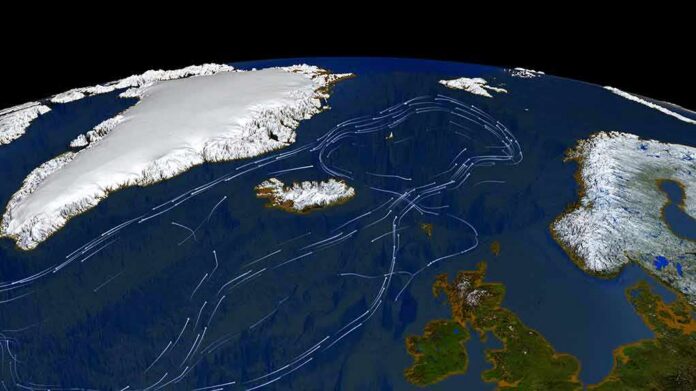
Reuters reported that U.S. officials describe the agreement as granting permanent access, basing, and overflight rights in Greenland, and as barring adversaries from building bases there. The deal also reportedly adds screening of sensitive investments to keep out Chinese and Russian influence. The United States already operates the Space Force site at Pituffik (Thule), so the package expands an existing footprint rather than creating one from scratch, according to network reports that reviewed the announcement.
President Trump framed the move as locking in security in the Arctic and North Atlantic. He said adversaries will not get a military presence without U.S. approval, a stance echoed in wire and television summaries of the announcement. Reporters also noted that Trump did not release the full text. That leaves questions about the legal tools behind “permanent” access and about how investment screening will be enforced on the ground.
What Copenhagen and Nuuk Say They Secured
Denmark’s prime minister said the agreement strengthens common security in the Arctic and the North Atlantic while recognizing the sovereignty and territorial integrity of the Kingdom and Greenlanders’ right to self-determination. Greenland’s prime minister said the package benefits all three governments and reflects Greenland’s interests in international cooperation, according to press accounts of official statements. These messages aim to reassure voters that the deal defends the region without giving up control over the island’s future.
Those sovereignty lines track with a long pattern in Arctic defense policy. Past pacts let the United States operate bases while Denmark kept formal sovereignty, with later updates to include Greenlandic authorities in decisions. Analysts note those layers manage great-power pressure while preserving domestic legitimacy in Copenhagen and Nuuk. Today’s “permanent access” claim fits that model: bigger U.S. access, but language that says Greenland still decides its political path.
What We Still Do Not Know
Media briefings said many terms remain under wraps. Reporters could not verify how “permanent” rights are written, what triggers a review, or whether parliaments must ratify the deal. It is also unclear what changes on the ground beyond Pituffik, how many troops or aircraft will rotate, and who pays for new facilities or environmental cleanup. Trump said the deal would not cost the United States, but outlets said financing details were not provided in the announcement.
🇺🇸 🇩🇰 🇬🇱 US, Denmark and Greenland to sign security deal for Arctic and North Atlantichttps://t.co/1jyKANkqEH
— RBC-Ukraine (@NewsUkraineRBC) September 19, 2026
For Americans on the right and left who distrust “the system,” two threads stand out. First, the strategy answers real threats from Russia and China in the Arctic, where sea lanes and resources are in play. Second, the rollout leans on political messaging, not a published text, which fuels doubts about transparency and accountability. The core facts are clear enough to matter for national security, but the fine print will decide how much local control and taxpayer risk are truly protected.
Sources:
justthenews.com, thehindu.com, reuters.com, en.cibercuba.com, yahoo.com