

Federal immigration officials blamed Virginia’s sanctuary-style limits after a deadly Staunton stabbing put a murder suspect in local custody — and on an immigration detainer.
Story Snapshot
- Staunton police arrested a man after a stabbing left one woman dead and another injured.
- U.S. Immigration and Customs Enforcement filed a detainer the same day with the local jail.
- Homeland Security publicly pressed Governor Abigail Spanberger to ensure the suspect is not released.
- Research shows sanctuary limits do not raise overall crime, but single cases still fuel fierce debate.
What Happened In Staunton
Staunton Police responded around 4 a.m. on August 30 to a 911 call on Orchard Avenue. Officers found two women stabbed, and one later died. Police arrested 32-year-old Freddi Chigo Mil and charged him with second-degree murder and aggravated malicious wounding. He is being held without bond at Middle River Regional Jail, according to local reports and booking records. A separate report says court records show the suspect told police, “I did it,” after the attack.
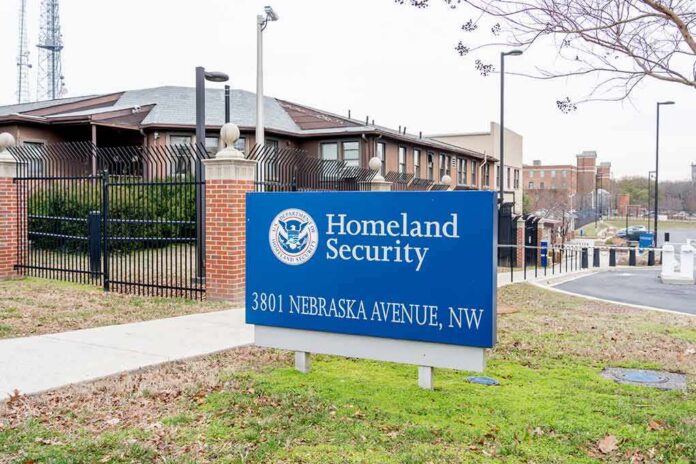
The United States Department of Homeland Security said U.S. Immigration and Customs Enforcement lodged an immigration detainer with the jail the same day the suspect was arrested. The department’s statement framed the case as a failure of sanctuary-style policies and urged Governor Abigail Spanberger to cooperate so the suspect is not released from local custody. The department’s public pressure made the Staunton case part of a wider fight over state and local limits on federal immigration enforcement.
Why The Detainer Matters
An immigration detainer is a request from U.S. Immigration and Customs Enforcement that a local jail hold someone up to two extra days after they would otherwise be released. The goal is to allow federal officers to take custody for immigration action. Some local and state policies limit honoring detainers without a judge’s warrant, citing constitutional and liability concerns. Those limits can create flashpoints after violent crimes, when the public wants clear lines of accountability.
Homeland Security tied the Staunton case to ongoing disputes in Virginia over how sheriffs and jails handle detainers. The department’s statement singled out “sanctuary politicians” and argued that cooperation prevents dangerous releases. Supporters of tighter cooperation say the Staunton charges show the risk to communities. Critics of blanket cooperation say local police need trust from immigrant communities to report crimes and serve as witnesses, and that federal requests should meet judicial standards.
How This Fits A Bigger Pattern
Academic studies on sanctuary limits show no clear increase in crime in cities or counties that restrict broad cooperation with federal immigration enforcement. Peer-reviewed and congressional testimony summaries report either no change or small drops in crime after such policies took effect. The research also finds these policies shift who gets deported rather than causing more violent crimes overall. The evidence base is wide, though it does not erase the pain of single violent cases.
The Staunton stabbing sits in that tension. One high-profile case can dominate public attention, even when broad data say overall crime does not rise from these policies. Leaders on both the right and the left say they want violent offenders off the streets. They split over method: immediate immigration holds versus tighter rules for detainers. In this case, the suspect remains jailed without bond on state charges while the federal detainer stands.
What It Means For Virginia Residents
Families want safety first. They also want a system that follows the law and treats people fairly. The Staunton case shows how gaps between local and federal roles can fuel distrust in government. Residents see agencies argue in press releases while a community grieves. Many believe officials protect their own power instead of fixing process failures fast. Clear rules on jail notifications, judicial warrants, and handoffs could reduce these conflicts and make outcomes more predictable.
For now, two tracks move at once. Prosecutors pursue the murder and wounding charges in state court. Federal officers have signaled they plan to take custody if the suspect is ever eligible for release. People across the political spectrum should watch what leaders do next. Do they close loopholes, improve data sharing, and keep violent offenders locked up? Or do they trade blame while tragedies repeat? The answer will tell Virginians how well their government serves them.
Sources:
nypost.com, dhs.gov, newsleader.com, recentlybooked.com