
Jill Biden’s on-air defense of Hunter Biden’s pardon—“we just could not let our son go to jail”—revives core questions about political favoritism and equal justice under the law [1].
Story Highlights
- Jill Biden says the family backed Hunter Biden’s pardon to stop what she calls unfair treatment and feared targeting after the 2024 election [1][2].
- Joe Biden reversed his repeated no-pardon pledge for his son, according to CBS reporting and video segments [1][2][3].
- The stated rationale centered on family protection, inviting criticism that clemency served private interests, not neutral justice [1].
- CBS indicates the move drew bipartisan criticism, intensifying public distrust of equal treatment under the law [1].
Jill Biden’s Stated Rationale Centers on Family Protection
CBS reports that Jill Biden said she supported Joe Biden’s pardon of their son because the process was not fair to Hunter and that, after Donald Trump’s election, they believed he would be targeted [1]. Jill Biden’s on-air comments framed the decision as a necessary shield against what she viewed as politicized prosecution. The CBS interview places her statements on record and underscores that the family’s reasoning emphasized perceived unfairness and anticipated targeting rather than an identified legal error in the underlying cases [1][2].
Video segments and summaries from CBS further report that Joe Biden had previously pledged he would not pardon his son but changed course after the 2024 election, with Jill Biden attributing the reversal to heightened concern that the family would face targeting in a changed political environment [2][3]. The admission that the pivot came after the election adds a timeline that critics argue looks responsive to political circumstances rather than a newly discovered factual or legal development in the case record [1][2][3].
Reversal From a No-Pardon Pledge Fuels Favoritism Concerns
CBS notes that the pardon drew bipartisan criticism and reignited the debate over whether powerful families play by different rules [1]. The explanation that clemency was necessary to protect family members offers critics a straightforward narrative: the pardon served private loyalty, not neutral standards. While Jill Biden maintains the process was unfair, the material provided does not include case-level evidence that rebuts or proves that claim; instead, the public is asked to accept the family’s assessment of fairness at face value [1][2].
Jill Biden also indicated that Joe Biden extended clemency to other family members over concerns they might be targeted, a pattern that, according to CBS’s reporting, strengthens the appearance of family-wide preferential protection [1][2]. That broader frame turns a single act of clemency into a family policy rationale, which invites congressional and public scrutiny about whether executive power was used to insulate relatives from potential future legal risk rather than to correct specific miscarriages of justice documented in the record [1][2].
What We Know—and What Remains Unclear
The available CBS materials establish several facts: Jill Biden publicly endorsed the pardon, described the process as unfair, connected the decision to fears after the 2024 election, and acknowledged Joe Biden’s reversal of a no-pardon pledge [1][2][3][4]. These on-the-record statements are clear. What remains unclear in the provided material are case comparisons, charging statistics, or formal findings that would validate—or refute—the claim of unusual or politically driven treatment in Hunter Biden’s prosecutions. The CBS reporting does not include those data points [1][2].
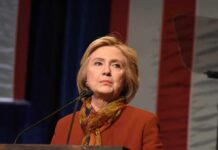
Although President Joe Biden had said he would not pardon his son, Hunter, Jill Biden says he changed his mind once Donald Trump was elected. She talked with Sunday Morning's Rita Braver about the pardon and her concerns over her family being targeted by the Trump administration.… pic.twitter.com/OCIDDap2sd
— CBS Sunday Morning 🌞 (@CBSSunday) May 30, 2026
For many readers concerned about equal justice, these gaps matter. Without contemporaneous documentation of internal deliberations or prosecutorial irregularities, the public sees a powerful family asserting unfairness and invoking executive clemency to prevent prison. That narrative, as CBS notes, drew bipartisan criticism and will continue to fuel calls for document releases, hearings, and independent review to test whether the pardon aligned with the rule of law or undermined confidence in it [1][2][4].
Sources:
[1] Web – Jill Biden on Hunter pardon: “We just could not let our son go to …
[2] Web – Jill Biden on Hunter pardon: “We just could not let our son …
[3] Web – Jill Biden on Joe Biden’s pardon of son Hunter
[4] YouTube – Jill Biden on Joe Biden’s pardon of son Hunter