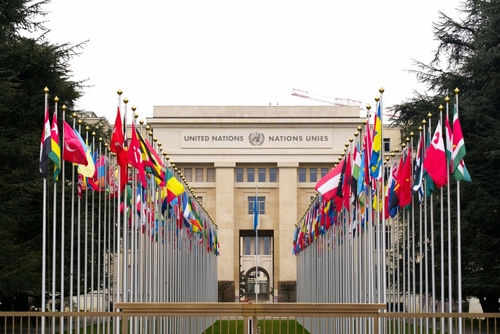
Iran, designated by the United States as a state sponsor of terrorism, has been elected vice-chair of a United Nations committee tasked with upholding the principles of peace and human rights enshrined in the UN Charter.
Story Snapshot
- Iran elected vice-chair of UN Charter Committee despite US terrorism sponsor designation
- Israel condemns appointment as contradicting UN’s stated mission of peace and human rights
- UN defends election process as member-state driven, not Secretariat controlled
- Decision echoes 2017 controversy when UN praised Iranian-hosted conference that labeled Zionism terrorism
Tehran Gains UN Leadership Despite Terror Designation
Iran secured the vice-chair position of the United Nations Charter Committee during the body’s opening meeting in February 2026 through an agreed procedure without a formal vote. The Charter Committee, operating under the UN Legal Committee of the General Assembly, examines and strengthens adherence to UN Charter principles including international peace, security, and human rights. This appointment hands leadership authority to a regime the US government officially designates as a state sponsor of terrorism, raising immediate questions about the credibility of UN vetting processes for positions overseeing foundational principles of global governance.
UN Spokesperson Deflects Accountability
UN Spokesperson Stéphane Dujarric defended the election during a press briefing, emphasizing that committee leadership positions result from member-state votes or agreements rather than Secretariat decisions. Dujarric stated the Secretariat condemns actions violating the Charter or human rights but does not condemn elections themselves, effectively distancing UN leadership from responsibility for the outcome. This response mirrors a longstanding pattern where the UN defers to diplomatic consensus even when appointments appear to contradict the organization’s stated values, leaving unelected bureaucrats insulated from accountability while member states face minimal scrutiny for questionable selections.
Proof that the UN is unserious and in fact deadly
UN Nominates Iran to Anti-Terror, Women’s Rights Committee https://t.co/6O6pZ5hUfS
— Flighterdoc (@FlightERDoc52) April 12, 2026
Israel Denounces Hypocrisy of Selection
Israel’s UN Ambassador condemned the appointment as proof the UN’s stated purposes now stand antithetical to peace and human rights. The criticism centers on Iran’s documented record of supporting proxy militias across the Middle East, threatening Israel’s existence, and conducting severe domestic repression against women and political dissidents. Israel views the election as emblematic of broader dysfunction within international institutions, where countries with abysmal human rights records gain positions to judge compliance with standards they routinely violate. This represents a fundamental breakdown in the integrity of global governance structures that everyday citizens across the political spectrum increasingly recognize as serving elite interests rather than universal principles.
Pattern of UN Legitimization of Iranian Regime
The 2026 appointment follows a 2017 precedent when the UN defended sending endorsements to an Iranian-hosted “anti-terrorism” conference that labeled Zionism as terrorism and questioned the Holocaust and 9/11 attacks. Then-Secretary-General Ban Ki-moon’s message praised Iran’s organization of the event, which Iranian state media amplified for propaganda purposes. UN Watch, a monitoring organization, deemed such endorsements cynical and urged Western democracies to intervene. Despite repeated UN General Assembly condemnations of Iran’s human rights violations and nuclear activities, Tehran continues securing influential positions, suggesting the UN’s internal processes prioritize diplomatic accommodation of authoritarian regimes over consistency with democratic values and basic human dignity.
Iran’s Self-Portrayal Contradicts Western Assessment
Iran annually submits reports to the UN claiming a major role in combating ISIS and other designated terrorist groups, positioning itself as a counter-terrorism partner despite Western sanctions. These submissions present Tehran as a stabilizing force in regional security, directly contradicting assessments from the United States and allied governments that classify Iran’s Revolutionary Guard Corps and proxy networks as primary terrorism threats. The competing narratives highlight how international forums enable authoritarian governments to launder reputations through procedural participation while their actions on the ground tell a starkly different story, leaving citizens of democratic nations frustrated that their tax dollars fund institutions granting credibility to adversaries.
Erosion of Trust in Global Institutions
The election reinforces growing perceptions among Americans on both left and right that unelected international bodies operate disconnected from common sense and accountability to ordinary people. Short-term implications include heightened diplomatic tensions between Israel and the UN, while long-term consequences involve further erosion of public trust in multilateral institutions meant to prevent conflict and protect vulnerable populations. When a regime systematically oppressing women and religious minorities gains authority over committees addressing those very issues, it becomes impossible to dismiss concerns that global governance serves powerful state actors and entrenched bureaucracies rather than universal human rights. This appointment provides concrete evidence for millions of frustrated citizens who believe the system is rigged against the values and principles on which free societies were founded.
Sources:
Terror sponsor Iran gets UN leadership overseeing Charter principles
UN Defends Endorsement of Iran’s Anti-Terror Conference
Iran’s UN Submission on Measures to Eliminate International Terrorism