


Russian Navy Cover-Up Targets America
Russian leaders tried to pin their own naval incompetence on America, exposing Moscow’s playbook of deflection that patriots must watch in today’s tensions.
Story Snapshot
- A faulty torpedo exploded aboard the Kursk submarine, killing all 118 crew in 2000 due to Russian maintenance failures.
- Moscow initially blamed U.S. submarines despite seismic evidence proving internal blast from high-test peroxide leak.
- Post-Soviet budget cuts led to unstable torpedoes and untrained crews, rejecting Western rescue aid in secrecy.
- Recent Russian sub incidents like Novorossiysk echo ongoing risks, validating America’s strong Navy superiority.
The Kursk Disaster Unfolds
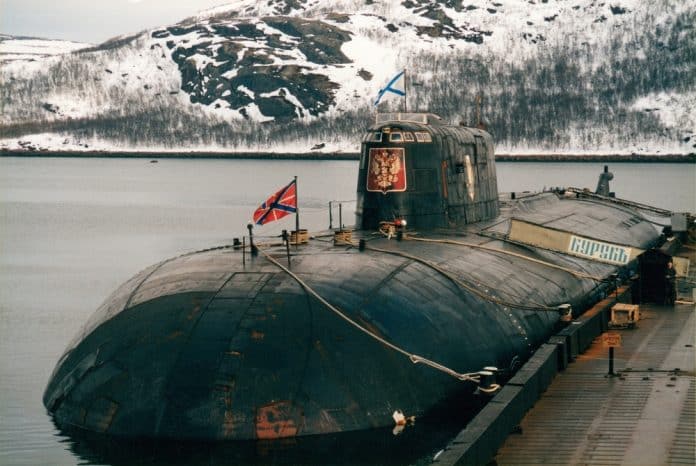
On August 12, 2000, the Russian Oscar II-class submarine K-141 Kursk sank during a Barents Sea exercise. A practice Type 65-76A torpedo leaked high-test peroxide fuel from a cracked casing, triggering a primary explosion at 11:28 AM, measured at 2-2.5 on the Richter scale. Two minutes later, a secondary blast 100 times larger, registering 4.5, obliterated forward compartments 1-4. The sub plunged to 108-350 meters, killing all 118 aboard instantly. No nuclear leak occurred as reactors shut down automatically.
Russian Blame Game Targets America
Admiral Vyacheslav Popov, Northern Fleet commander, lost contact August 12 and claimed no explosion, suggesting external influence like a U.S. submarine collision, echoing USS Memphis theories. Defense Minister Vladimir Ustinov led the inquiry, absolving the Dagdizel torpedo manufacturer despite faulty welds. Seismic data and salvage confirmed internal failure, debunking conspiracies. This deflection protected Russian reputation amid post-Soviet decline, contrasting American transparency in naval operations.
Post-Soviet Neglect Fuels Tragedy
After 1991, Russian Navy budget cuts forced cheap HTP torpedoes despite known leak risks at welds. Kursk, commissioned 1994 as flagship, had untrained crews violating protocol by leaving hatches open during loading. Lax inspections prevailed through the 1990s. Rescue attempts from August 14-20 failed with outdated gear; UK and Norwegian aid offers were rejected until August 20, too late. Vice Admiral Valery Ryazantsev later criticized training lapses, pushing limited reforms.
Putin’s early administration prioritized secrecy, delaying accountability. Families received compensation but decried opacity, eroding public trust. Salvage in 2001 cost $100 million, exposing maintenance shortfalls. No charges filed, shielding hierarchy.
A Torpedo Malfunction Sunk a Russian Submarine and Moscow Tried to Blame the U.S. Navyhttps://t.co/yoSnQPN9Ua
— Harry J. Kazianis (@GrecianFormula) February 13, 2026
Enduring Lessons for U.S. Security
The Kursk exposed institutional culture stifling aid and truth, weakening deterrence. Global navies phased out HTP; Western forces emphasized training. Recent echoes persist: 2019 Losharik fire, Novorossiysk fuel leak in Mediterranean amid Ukraine tensions, and 2025 Perm launch risks with Yasen-class subs. As President Trump strengthens U.S. fleets against such adversaries, this history warns of foreign blame tactics undermining American resolve. Navy superiority protects sovereignty.
Short-term, 118 deaths shattered morale; long-term, partial protocols improved but incidents continue, damaging Putin’s image and straining NATO ties. Analysts affirm HTP instability and inexperience as roots, consensus rejecting NATO plots.
Sources:
The Bow Was Ripped Off: How a Russian Submarine Was Sunk by Its Own Faulty Torpedo
Russian attack submarine suffered serious malfunction at risk of explosion in Mediterranean