
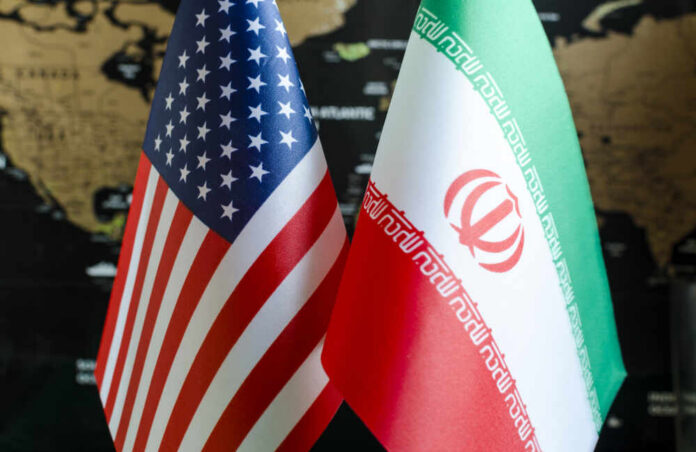
President Trump just put a five-day hold on planned U.S. strikes against Iran’s power grid—yet Tehran is insisting the “talks” he cited never happened, raising immediate questions about what’s really unfolding behind the scenes.
Story Snapshot
- President Trump announced he ordered a five-day postponement of planned strikes on Iranian power plants after what he described as “very good and productive” conversations with Iran.
- Iranian officials and state-linked media publicly denied any negotiations, even as Iranian security bodies issued threats tied to energy infrastructure and Gulf shipping.
- The delay follows Trump’s 48-hour ultimatum demanding the Strait of Hormuz be reopened, with U.S. action threatened against Iran’s energy targets.
- Oil prices reportedly fell on the announcement, reflecting market hopes for de-escalation—while the war and retaliation risks remain active.
Trump’s Five-Day Pause: A Tactical Delay With Conditions
President Trump said he directed the Pentagon to postpone planned strikes on Iranian power plants and energy infrastructure for five days, tying the pause to the “success” of ongoing discussions. Reporting also said Trump confirmed the claim in an interview, describing Iranian “representatives” as involved. The move temporarily eases pressure on a major escalation pathway—targeting civilian-adjacent energy systems—while keeping U.S. leverage intact through a short, explicit deadline.
For American voters already exhausted by years of Washington’s mixed signals overseas, the key detail is that the pause was not framed as a retreat. The White House message, as reported, treated this as conditional and time-limited—designed to test whether Iran will change behavior in the Strait of Hormuz and broader hostilities. What remains unclear in the public reporting is who exactly is speaking for Iran and where those contacts are happening.
Iran’s Public Denial—and the Credibility Gap It Creates
Iran’s response was blunt: state-linked outlets and officials denied that negotiations were happening at all. That hard “no” matters because it creates a credibility gap between U.S. statements and Tehran’s messaging, and it complicates how allies, markets, and the public interpret the pause. The reporting did not provide independently verified details of the alleged talks, leaving readers to weigh competing claims amid a fast-moving conflict.
Iran’s denial also landed alongside threats. Reports described warnings from the Islamic Revolutionary Guard Corps and statements tied to Iran’s defense leadership about targeting power infrastructure connected to the U.S. and mining parts of the Persian Gulf if certain conditions—such as an invasion—occur. That combination—deny diplomacy while escalating rhetoric—keeps deterrence high and increases the chance of miscalculation during the five-day window.
How the Strait of Hormuz Became the Pressure Point
The postponement came days after Trump issued a 48-hour ultimatum linked to reopening the Strait of Hormuz, a strategic choke point for global energy flows. Reporting described continued disruption and conflict activity, with Iran attempting to restrict shipping and the wider war entering roughly its fourth week. The immediate U.S. threat—strikes on power plants—was aimed at coercing a practical change in behavior, not simply sending a message.
Energy infrastructure targeting carries major consequences, which is why even a delay can move markets. Reports said oil prices dropped after Trump’s announcement, signaling trader optimism that escalation might pause. Still, market reactions are not proof of peace; they are a snapshot of expectations. With threats on both sides and shipping security at stake, a single incident in the Gulf could overwhelm the diplomatic storyline quickly.
War Costs, Domestic Scrutiny, and Civilian Impact
Reporting highlighted growing attention to the financial and human costs of the conflict. Coverage referenced a major Pentagon funding request and emerging friction in Congress, including criticism from some lawmakers about long-term spending commitments. For a conservative audience wary of blank checks and entrenched bureaucracies, that budget pressure matters because it intersects with readiness at home, inflation sensitivity, and public trust after years of fiscal strain.
Reports also described civilian vulnerability inside Iran, including fears tied to communications disruptions and limited warning during strikes. Those realities do not excuse Tehran’s actions, but they explain why energy targets become politically explosive worldwide. The practical question over the next five days is whether any verifiable de-escalation occurs—especially around shipping lanes and attacks on U.S. forces—before the U.S. revisits the postponed strike option.
Sources:
Trump Postpones Strikes on Iran’s Power Plants Amid Claimed Talks, Iran Denies Negotiations
Iran live updates: Trump’s 48-hour deadline set to expire
Trump Postpones Strikes on Iranian Power Plants as Iran Threatens the Persian Gulf
Trump delays strikes on Iran’s power plants for 5 days and ICE deploys to airports