
A U.S.-Iran ceasefire meant to quiet the region is already unraveling as rockets, airstrikes, and energy infrastructure attacks push the Middle East toward a wider war.
Quick Take
- Pakistan-brokered talks produced a two-week U.S.-Iran ceasefire starting April 8, 2026, but violations and conflicting interpretations surfaced within hours.
- Israel launched its largest strikes in Beirut and southern Lebanon since the war began, saying the ceasefire does not cover Hezbollah or Lebanon.
- Iran reported an attack on its Lavan oil refinery and answered with drone and missile strikes that Gulf Arab states said they intercepted.
- The White House denied reports that the Strait of Hormuz was closed, but acknowledged it is “watching” and “prepared if necessary.”
Ceasefire Day One Exposes a Major Problem: Nobody Agrees What Was Signed
Pakistan announced a temporary, two-week ceasefire between the United States and Iran taking effect April 8, 2026, but the agreement immediately ran into a basic credibility test: whether Lebanon was included. Pakistani officials publicly described the deal as covering Lebanon, while Israel and President Trump framed it as excluding Lebanon “because of Hezbollah.” That mismatch matters, because if key players define the terms differently, enforcement becomes political theater instead of policy.
Iran’s leadership quickly signaled it could walk away. Iranian media reported Tehran was considering withdrawing after alleged Israeli strikes, while Iran’s Parliament speaker accused the U.S. of violating three points tied to Lebanon, an alleged drone incursion, and Washington’s stance on Iran’s right to enrichment. Those claims highlight a familiar pattern in regional diplomacy: ceasefires can pause direct fire while leaving the underlying disputes—especially missiles and nuclear issues—untouched.
Israel Keeps Hitting Hezbollah, and Lebanon Pays the Immediate Price
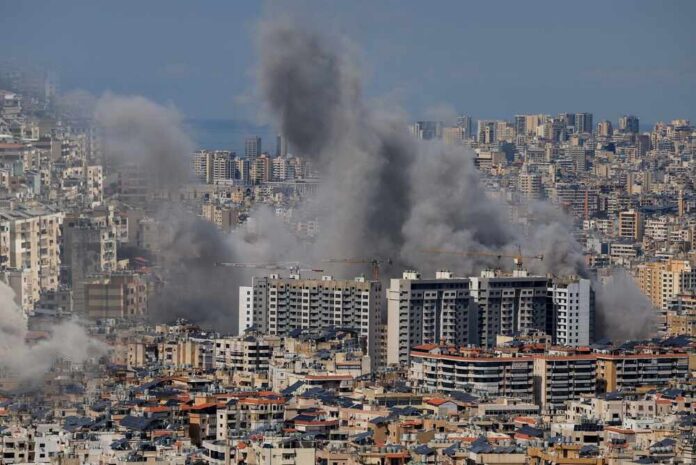
Israel carried out what it described as its largest strikes in Beirut and southern Lebanon since the war began, targeting roughly 100 Hezbollah sites in about 10 minutes. Lebanese authorities reported more than 250 killed and over 1,160 wounded, and Lebanon declared a national day of mourning. Israeli officials justified continuing operations by asserting the ceasefire does not apply to Lebanon, directly contradicting the mediator’s description of the agreement’s scope.
Hezbollah, for its part, insisted Lebanon was covered and warned that if Israel did not comply, “no party will commit to it,” threatening a broader “response from the region, including Iran.” The practical issue for U.S. policymakers is that Hezbollah acts as a trigger point: even if Washington and Tehran temporarily stop trading direct strikes, sustained Israel-Hezbollah fighting can pull Iran back in through retaliation, proxies, or pressure to demonstrate regional resolve.
Iran’s Retaliation Spreads Risk to Gulf Allies and Global Energy Markets
Iran reported an attack on its Lavan oil refinery after the ceasefire began, then launched missile and drone attacks that several Gulf Arab states said they intercepted. Kuwait’s army reported that drone attacks caused significant damage to oil facilities, power stations, and water desalination plants—exactly the kind of infrastructure disruption that can quickly become a global economic story. Even without a formal blockade, repeated strikes and counterstrikes can raise insurance costs and spike energy prices.
The White House denied reports that the Strait of Hormuz had been closed and said it was monitoring developments and prepared to act if needed. That denial is important, but it does not erase the market reality that the region is operating on thin margins. Conservatives who remember how quickly energy shocks feed inflation will recognize the vulnerability: attacks on refineries, power generation, and shipping routes can hit American families through higher prices even when U.S. forces are not directly engaged.
Israel’s Domestic Backlash Highlights the Limits of War Aims
Israeli opposition figures argued the ceasefire exposed unfulfilled war objectives. Reports highlighted criticism that promised outcomes—regime change in Iran and dismantling Iran’s nuclear and ballistic missile programs—had not been achieved, with some critics warning Iran could emerge stronger. Israeli media also reported surprise inside Netanyahu’s government after Trump’s ceasefire announcement, suggesting the timing and terms were not fully coordinated. That kind of friction complicates coalition strategy in a fast-moving conflict.
For the U.S., the political takeaway is straightforward: diplomacy that cannot define its own boundaries invites escalation. The ceasefire reportedly excludes Iran’s nuclear and ballistic missile programs, leaving core security questions unresolved while violence continues through proxies and across borders. In Washington, both left and right are tired of open-ended commitments that seem disconnected from results. If the administration wants public confidence, it will need clarity on terms, enforcement, and what “success” looks like.
Sources:
A fragile U.S.-Iran ceasefire shows cracks as attacks continue across the region
Anger and surprise in Israel after US-Iran ceasefire