
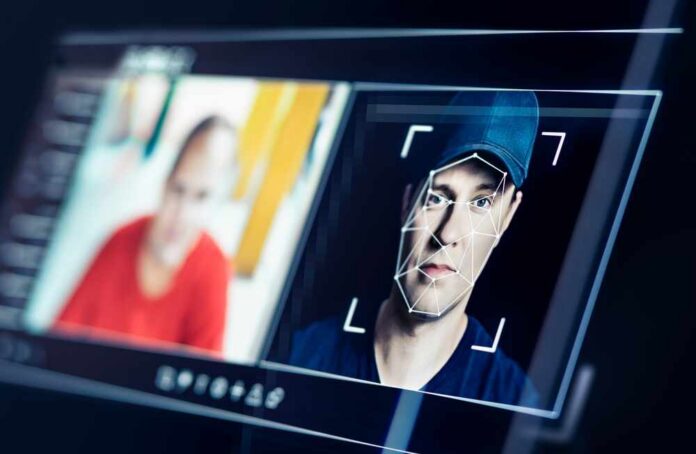
Illinois lawmakers are pushing a sweeping ban on facial recognition technology that would have prevented police from solving a brutal murder of a college student just one day after the bill’s introduction—and the case gets worse when you learn who the suspect is.
Story Snapshot
- Illinois House Bill 5521 would ban law enforcement use of facial recognition, iris scanners, and most fingerprint technology statewide
- One day after the bill’s introduction, facial recognition identified an illegal migrant suspect in the murder of Loyola University student Sheridan Gorman
- Retired Chicago Police Chief of Detectives calls the proposed ban “crippling” for solving crimes and protecting communities
- Bill sponsor Rep. Kelly Cassidy dismisses the solved murder case as mere “anecdotes” while prioritizing privacy concerns over public safety
Bill Would Eliminate Critical Crime-Solving Tool
Illinois House Bill 5521, introduced by Democratic State Rep. Kelly Cassidy on February 6, would ban law enforcement from using biometric identification systems including facial recognition, iris scanners, and most fingerprint-matching technology. The legislation targets databases maintained by the Illinois Secretary of State, which contains millions of driver’s license and state ID photos that detectives currently use to identify suspects. The bill would restrict access to this database except for narrow verification purposes during license issuance. Law enforcement groups are mobilizing against the measure, arguing it strips away essential investigative tools while criminals continue exploiting technology advantages.
Murder Case Exposes Timing and Real-World Consequences
The irony of this legislation became tragically apparent within 24 hours of its introduction. On February 7, Loyola University Chicago student Sheridan Gorman, 18, was murdered. Investigators sent suspect images to the U.S. Customs and Border Protection database and the Illinois Secretary of State’s driver’s license database. By February 8, facial recognition technology identified Jose Medina-Medina, a 25-year-old illegal migrant, leading to his swift arrest. Under HB 5521, this database search would have been illegal, potentially leaving a killer free to strike again. Retired Chicago Police Chief of Detectives Eugene Roy warned that the ban removes a foundational “brick” that helps build cases alongside witness testimony and physical evidence.
Lawmaker Dismisses Solved Murder as ‘Anecdote’
Despite the murder occurring in her own district, Rep. Cassidy continues pressing forward with the facial recognition ban as of March 2026. She defends the legislation by claiming the technology is “demonstrably inaccurate” and protects privacy for millions of Illinois residents whose driver’s license photos populate state databases. When confronted about the Gorman case, Cassidy dismissed it as merely an “anecdote” that shouldn’t influence policy decisions. Critics point out a glaring inconsistency: while Cassidy opposes facial recognition, she supports expanding DNA database use despite both serving similar investigative functions. The Illinois Family Institute argues for sensible regulation including mandatory corroboration requirements, transparency measures, and regular audits rather than an outright ban that hamstrings law enforcement.
Broader Implications for Public Safety and Constitutional Rights
The debate extends beyond technology to fundamental questions about balancing privacy with security. Illinois already maintains strong biometric privacy protections through the 2008 Biometric Information Privacy Act targeting private-sector abuses. HB 5521 would extend restrictions to government law enforcement functions, building on concerns about Chicago Police Department’s past undocumented use of facial recognition. However, law enforcement nationwide is watching Illinois as a potential precedent. If passed, the ban would force detectives to rely solely on traditional methods and DNA forensics while visual identification tools disappear. Communities face the prospect of slower investigations and unsolved cases as criminals continue operating. Illinois courts have previously ruled certain surveillance practices unconstitutional under the state constitution’s explicit privacy protections, adding legal complexity to this debate about where public safety ends and government overreach begins.
Alternative Proposals Offer Middle Ground
While HB 5521 remains in the Illinois House amid active opposition, an alternative approach has emerged. Senate Bill 3564 proposes narrower restrictions rather than a complete ban, including prohibitions on using facial recognition for constitutionally protected activities without reasonable suspicion. Law enforcement advocates argue this represents a more balanced approach that addresses legitimate privacy concerns while preserving critical investigative capabilities. Opposition groups have mobilized witness slips and email campaigns urging lawmakers to reject Cassidy’s sweeping ban. The economic impact may seem minimal, but audit and transparency requirements would add administrative costs. More significantly, the social cost of unsolved crimes and unpunished criminals could devastate communities already struggling with violence, particularly when quick identification of dangerous suspects like illegal migrants becomes impossible under the proposed restrictions.
Sources:
Illinois Needs Regulation, Not a Ban on Biometrics – Illinois Family Institute
Banning Facial Recognition in Chicago: A Moral and Legal Necessity – UIC Law Review