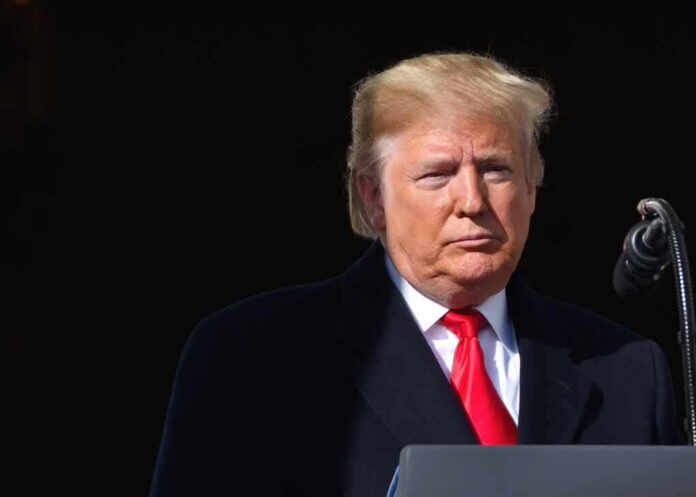
President Trump publicly ruled out any U.S. attack on Iran before the November 3 midterm elections, signaling a short-term pause in escalation amid a tense region.
Story Highlights
- Trump said the U.S. will not attack Iran before the midterms, citing ongoing talks.
- Major outlets reported the same pledge the same day, reinforcing the on-record timeline.
- Regional tensions stayed high after deadly Houthi strikes on Saudi airports.
- The pledge sets a political clock while keeping post-election options open.
Trump’s Time-Bound Pledge and Stated Goal
President Trump said the United States “will not be attacking Iran at any time prior to the midterm elections,” while adding that the administration is having “productive discussions” with Tehran and aims to prevent Iran from getting a nuclear weapon. The Associated Press reported the same commitment, framing it as a halt on any resumption of strikes before November 3. The statement sets a clear, public window of restraint, tying the timeline to the election calendar rather than a change in long-term strategy.
Politico and other outlets echoed the same language the day it was posted, underscoring that this was a coordinated, on-the-record message from the White House about timing, not a secret leak or offhand remark. The coverage consistently paired Trump’s pledge with the note that talks with Iran were ongoing, which supports the view that the administration prefers short-term restraint while using diplomatic pressure to seek limits on Iran’s nuclear program.
Regional Backdrop: Elevated Risk Beyond U.S. Control
The pledge landed as the wider region faced new shocks. Saudi officials said three people were killed in attacks at airports in Riyadh and Abha, which Yemen’s Houthi movement claimed. Wire services described those strikes and a broader escalation across fronts near the Red Sea, reinforcing how hot the environment remains even as Washington pauses direct action against Iran. This context makes a public no-attack window more consequential, because events on the ground can shift fast and raise pressure on all sides.
Outlets also noted that President Trump has been reluctant to widen American military involvement in the Middle East, which fits with a near-term pause on offensive action. Yet reporting the same week described military postures and a hard line on Iran’s nuclear ambitions, showing that the United States is still signaling strength while holding fire before the vote. That combination—restraint in timing, firmness in goals—reflects an approach common in election seasons.
Election Timing and Policy Trade-Offs
News coverage tied the timing to midterm politics, a pattern seen in past conflicts when leaders avoid new offensives close to voting. By stating a public pause, the administration reduces the chance of surprise costs before Election Day while still keeping leverage for after the vote. That balance tries to satisfy voters who want fewer wars and those who want Iran deterred. The pledge is limited to timing, not a permanent bar on military force.
For families watching prices and security, the stakes feel familiar. Voters on the right worry about endless wars, high costs, and leaders in Washington who do not listen. Voters on the left worry about mission creep, civil rights at home, and a system that seems to serve insiders first. A clear timeline for no new strikes offers predictability now, but it also reminds Americans that key choices often hinge on politics rather than plain accountability.
What This Means if You’re Watching Energy, Security, and Governance
Energy markets respond to risk signals. A public pause can ease short-term price spikes, but shipping lanes and regional attacks can push the other way. Households and small businesses feel these swings fast at the pump and in freight costs. Security planners get a brief window to press talks and tighten defenses. Citizens get a clear marker to judge leaders by their word and by results after the elections. The clock matters because markets and adversaries can read it too.
The bottom line is simple: the United States will not initiate an attack on Iran before voters cast ballots, according to the president’s public statement. The region remains volatile, as shown by deadly strikes in Saudi Arabia that did not involve U.S. forces. After November 3, options remain open. Voters who believe the federal government serves elites more than citizens will watch whether restraint gives way to decisions that match America’s interests, values, and the limits of its wallet.
Sources:
afp.com, aljazeera.com, axios.com, bbc.co.uk, 2news.com