

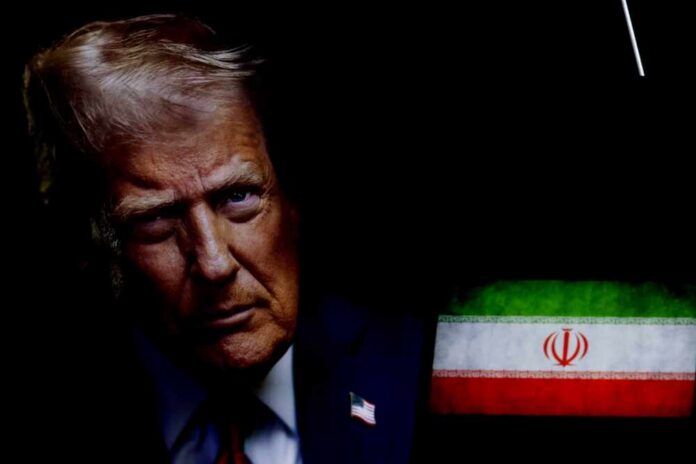
President Trump warned Iran of devastating U.S. action after U.S. officials received Israeli intelligence about a fresh plot to assassinate him.
Story Snapshot
- Israel shared new intelligence with the United States about an alleged Iranian plan to kill President Trump.
- Trump ended a cease-fire and warned Iran the United States would “finish the job” if threats turn into action.
- Iranian leaders and crowds have voiced revenge since the 2020 killing of General Qassem Soleimani, while Tehran denies active plots.
- Officials have not released specifics on timing or method, raising concern about opaque threats driving major choices.
What Prompted Trump’s Warning
Israeli officials recently told the United States they had new intelligence that Iran was considering a plan to assassinate President Trump, according to reporting that cites people familiar with the briefings. The alert reached Washington as tensions with Tehran climbed again. The warning followed years of threats tied to the 2020 U.S. strike that killed Iranian General Qassem Soleimani. The White House moved quickly, and Trump publicly signaled severe consequences if Iran acts on any plan.
Trump’s comments came as he declared a cease-fire with Iran “over,” hardening the U.S. stance after the intelligence handoff. He said the government would respond with overwhelming force if Iran targeted him or other American leaders. The reported plot did not include public details such as location, operatives, or timing. That lack of detail has marked earlier warnings as well, which often cite intent but do not show an imminent plan in motion for the public record.
How This Fits a Years-Long Pattern
Since 2020, U.S. officials and media have reported repeated Iranian interest in killing Trump, while Tehran has denied that it ordered such plots. News accounts and security briefings have stressed intent and revenge themes, pointing to chants and banners that call for Trump’s death, and to senior figures who vow payback. Iran’s government, however, has told Western outlets that it has “never” plotted to assassinate Trump, pushing back on the claims in broad terms without addressing specific intelligence reports.
Federal law enforcement has also described Iran as an ongoing national security threat that spans cyber operations, targeted violence, and the use of proxies to reach U.S. soil. Those assessments set a backdrop for how officials read warnings from allies like Israel. They also explain why even a sketchy threat can trigger tighter security and sharper rhetoric. Yet public transparency remains limited. The government rarely releases specifics that would let citizens judge how close a plan might be.
What We Know—and What We Do Not
Officials have not revealed who in Iran ordered the alleged plot, how it would be carried out, or when. The Wall Street Journal report describes updated intelligence, but not operational steps that show a plan was about to launch. The Los Angeles Times reports that the warning reached Trump’s team just before he ended the cease-fire, linking the alerts to fresh policy moves. Iran’s denials point to the fog around clandestine actions, where proof is often classified and messaging on both sides serves larger goals.
For Americans, the stakes are clear. A foreign plot to kill a sitting president would be an attack on the country. A U.S. military response would risk a wider war in the Middle East. Both parties should want hard facts before decisions that could send troops into harm’s way. The pattern of vague but alarming warnings fuels public distrust that leaders hide the ball, feed fear, and centralize power without showing evidence.
Why This Resonates Across the Political Divide
Conservatives see a hostile regime that has targeted Americans for decades and believe strong deterrence keeps the nation safe. Liberals fear a slide into another open-ended conflict, launched on intelligence that citizens cannot test. Many on both sides feel Washington too often asks for blind trust, then asks taxpayers and service members to pay the price. Clear evidence, tight goals, and open oversight can checkelite decision-making that sidelines the public.
TRUMP WARNS IRAN OF MILITARY RESPONSE OVER ASSASSINATION THREATS
President Trump with a warning for Iran. WWNN's Stacy Lyn reports:
(Sound) The president says he's ordered a massive military response if Iran follows through on threats to assassinate him. I'm number one on the…— Worldwide News Network (@WorldwideNNX) July 13, 2026
Here is the practical bottom line. If Iran acts, the United States will strike back hard. If Iran does not, this episode should still push Congress to demand classified briefings, written findings, and timelines tied to any military steps. The government owes the country proof and prudence. Citizens can handle hard truths, but they need leaders who share facts, set limits, and protect the nation without drifting into a war built on shadows.
Sources:
facebook.com, foxnews.com, wsj.com, latimes.com