
Conflicting reports over an Israeli strike at Gaza City’s port are already hardening into narratives before verified facts are public, inviting another rush to judgment that clouds accountability and truth.
Story Snapshot
- Hospital and media reports say at least two were killed and others injured at Gaza City’s port.
- The strike site is described as a public waterfront area, raising immediate civilian-harm concerns.
- There was no immediate Israeli comment specific to this port incident in early reporting.
- Separate coverage of a nearby café strike risks being conflated with this distinct event.
What We Know From Initial Reports
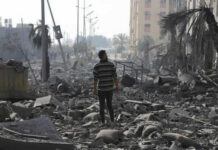
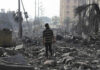
Associated Press video reporting states Shifa Hospital received casualties after a strike hit a group near Gaza City’s port, with at least two killed and 10 or more injured, based on hospital accounts at the time of filing. Reuters-linked aftermath visuals describe deaths and injuries at the port area, showing debris and emergency response activity without confirming target identity [7]. These early details establish that a lethal event occurred and reached hospital triage quickly, but they do not classify victims or verify combatant presence.
Separate video coverage characterizes the location as a seaport café or public waterfront setting, indicating civilian presence at or near the strike point [5]. Early frames show bystanders and a leisure context rather than a clear, cordoned military facility. While such imagery supports concerns about civilians in harm’s way, it does not, by itself, determine whether militants were present, whether a specific individual was targeted, or what munition was used. That distinction requires operational records and forensic analysis not present in initial clips.
Clarifying This Port Strike Versus Other Incidents
A widely circulated summary of an al-Baqa internet café strike near the port reports far higher casualties and additional claims about warnings and victim demographics [1]. That account concerns a distinct event with different reported scale and specifics, and it cannot conclusively describe the smaller port-group strike covered in the hospital-sourced reports. Mixing these reports risks importing casualty totals and legal conclusions from one scene into another, which undermines public understanding and fair assessment of responsibility.
News footage also shows a separate high-rise strike in Gaza City, further broadening the battlefield picture but not establishing facts about the port incident’s target selection or proportionality analysis. The proximity of multiple strikes amplifies the chance that audiences conflate locations, timelines, and casualty figures. Responsible reporting separates each event, states what is verified, and labels what remains unconfirmed. That discipline matters for accountability, deterrence, and any future legal review.
Why Verification Matters For U.S. Interests And Values
Conservatives value truth, due process, and the moral clarity that comes from verified facts. Early reports indicate deaths and injuries at a public port location [7] and depict a leisure setting consistent with civilian presence [5]. At the same time, there was no immediate Israeli comment specific to this port strike in those early accounts, leaving the intelligence basis and collateral-mitigation steps unknown. Without target files, strike logs, or munition forensics, firm legal judgments about intent or lawfulness are premature.
Two Palestinians were killed and about 25 others wounded in an Israeli airstrike that targeted Palestinians on a beach near the port area west of Gaza City, according to a source at Al-Shifa Hospital. #Israel_crimes#IsraeliTerrorism https://t.co/YKxyrWqOkE
— عٌقُبًةّ 5 (@uqbt2) May 31, 2026
Americans deserve transparent, sourced answers before policy reactions harden. Key next steps include securing hospital intake records, independent blast-scene analysis, and any Israeli after-action summaries identifying the intended target and surveillance used to minimize civilian harm—if available from official channels [7]. Until then, readers should reject narrative shortcuts. Clear evidence, not viral clips or recycled summaries from different incidents, should guide conclusions about responsibility, proportionality, and the laws of armed conflict.
Sources:
[1] YouTube – Israeli airstrike hits group near Gaza City port, Shifa hospital says
[5] YouTube – Israeli strike kills Palestinians at Gaza seaport café
[7] Web – Aftermath Of Israeli Airstrike In Gaza, Palestine – Reuters Connect