
Trump’s America 250 concert fight is turning a patriotic celebration into another test of how fast partisan branding can overwhelm the public message.
Quick Take
- President Donald Trump floated replacing the Freedom 250 concerts with a MAGA rally after several performers pulled out, shifting the story from celebration to political conflict.[1]
- The event is scheduled for June 25 through July 10, 2026, and is tied to the nation’s 250th anniversary celebrations.[1]
- Freedom 250 later said Trump will personally kick off the celebration with an opening ceremony on June 24.[1]
- Artists who withdrew said they were not told about the event’s political involvement when they were booked.[1][2]
What Trump Said
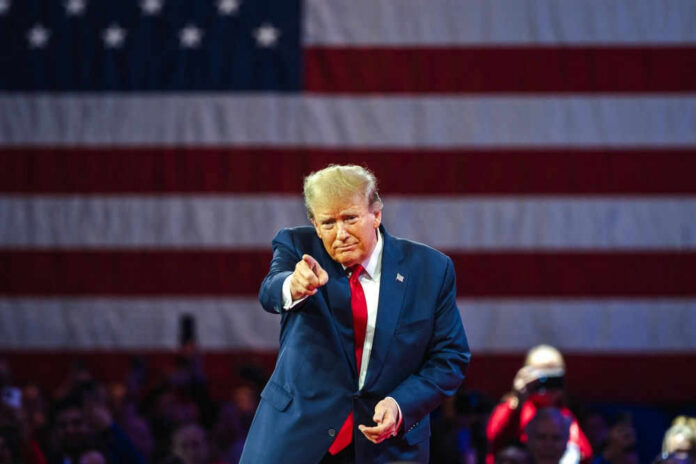
President Donald Trump said he was considering scrapping the concerts and holding a massive MAGA rally instead after multiple artists backed out of the Freedom 250 lineup.[1] That shift matters because it shows how quickly a commemorative event can become a political proxy fight once a president’s personal brand is attached to it. The public argument is no longer just about music or logistics; it is about who controls the meaning of America’s 250th birthday.
Trump later made clear that he still intended to be central to the opening of the celebration, with Freedom 250 saying he would personally kick off the historic event on June 24.[1] The organizers’ message is that the program belongs to a broader national commemoration, but the optics are harder to separate from partisan politics. In a polarized environment, even an anniversary event can look like a campaign-style stage when the president is the headline act.
Why Performers Walked Away
The performer exits are the most important reason the story gained traction. Reporting says artists including Martina McBride, Bret Michaels, Young MC, Morris Day and The Time, and C+C Music Factory withdrew after the lineup was announced.[1] McBride said she had asked “lots of questions” and was told the event was nonpartisan, while Young MC said artists were never told about political involvement.[2] Those statements create a direct credibility problem for organizers.
The withdrawals also turn a behind-the-scenes booking dispute into a public narrative of distrust.[1][2] When entertainers publicly say the event was sold to them as neutral but later appears linked to a political brand, audiences naturally assume somebody withheld important context. That is why this story resonates beyond the entertainment world: it reflects a broader frustration that institutions often package politically charged projects in softer language until the backlash arrives.
What the Coverage Suggests
The reporting consistently describes the event as Trump-linked, Trump-friendly, or MAGA-affiliated, even while also noting that it is part of the America 250 celebration on the National Mall.[1][2] That tension is the real story. Supporters can argue the event is meant to honor the country’s founding, but critics see another example of a national platform being pulled into a partisan orbit. Both reactions are rooted in the same fact: Trump’s association dominates the public reading.
Trump to headline 'Great American State Fair' for nation's 250th anniversary after artists drop out | Click on the image to read the full story https://t.co/4Z7Xp7MWWO
— WMTW TV (@WMTWTV) May 31, 2026
For readers across the political spectrum, the bigger issue is not the music lineup itself but the credibility gap. If organizers genuinely pitched the event as nonpolitical, then the withdrawals suggest a serious communications failure.[1][2] If the Trump connection was always central, then the patriotic branding was misleading from the start. Either way, the episode reinforces a familiar complaint that public-facing events are increasingly managed as image operations first and civic institutions second.
Sources:
[1] Web – Whoa! Trump Floating New Patriotic Plan After Country Star Ditches …
[2] Web – Trump’s Great American State Fair Loses Almost All of Its Performers